by
by The fashion industry often emphasizes specific physical attributes, and height is one of the most discussed criteria. Leni Klum, the daughter of supermodel Heidi Klum, has entered the modeling scene, sparking conversations about her height and its implications in an industry that often seems to favor tall individuals. This article explores Leni Klum’s height, the significance of height in the fashion industry, and whether it truly impacts success in a field that is rapidly evolving.
Who is Leni Klum?
Leni Klum, born on May 4, 2004, is the daughter of renowned model Heidi Klum and Italian businessman Flavio Briatore. She made her modeling debut in 2020 at the age of 16, quickly gaining attention not only for her lineage but also for her unique style and charisma. Leni has since been featured in various fashion campaigns and on magazine covers, signaling her ascent in the modeling world.
Leni Klum’s Height: A Quick Overview
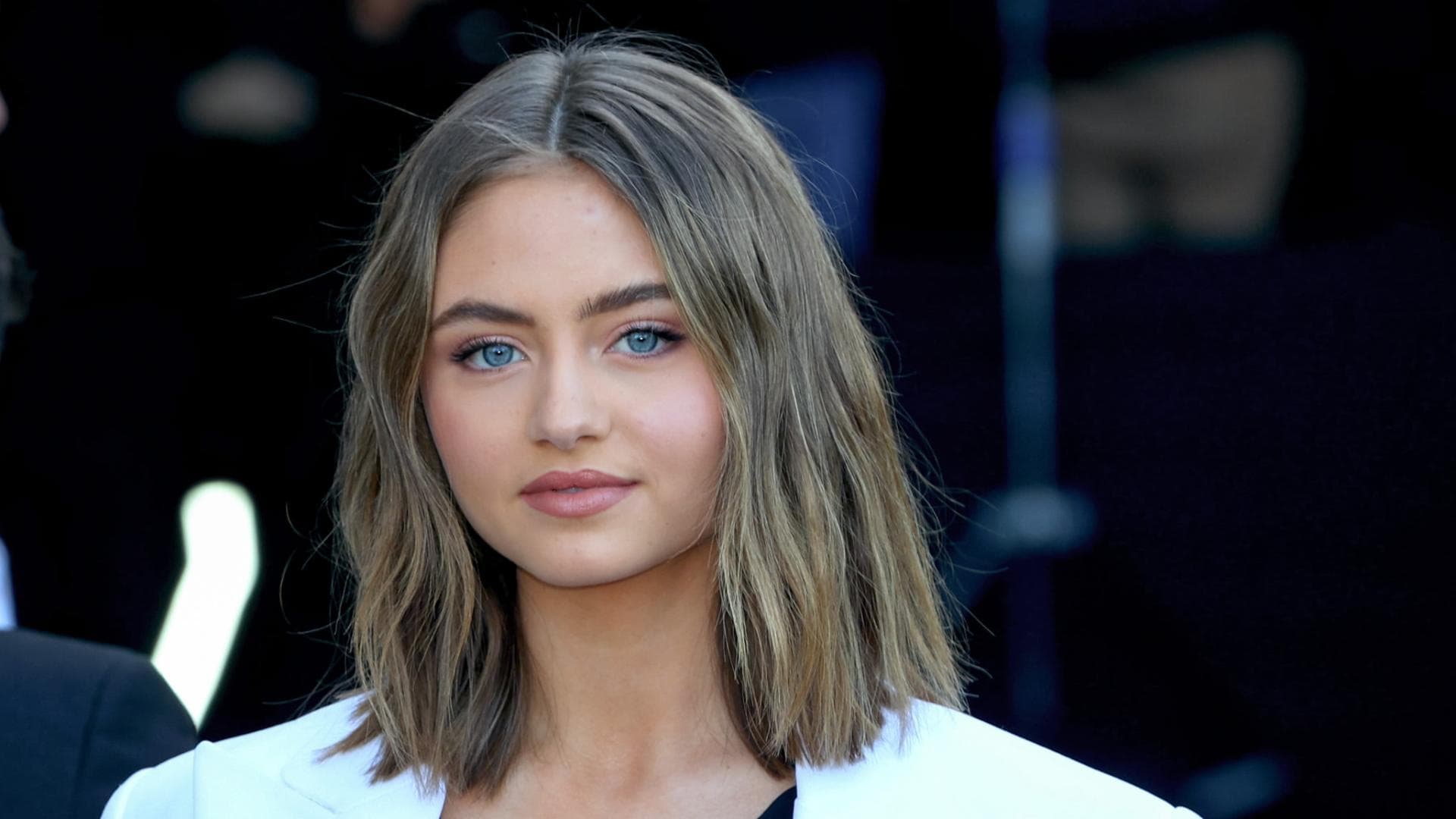
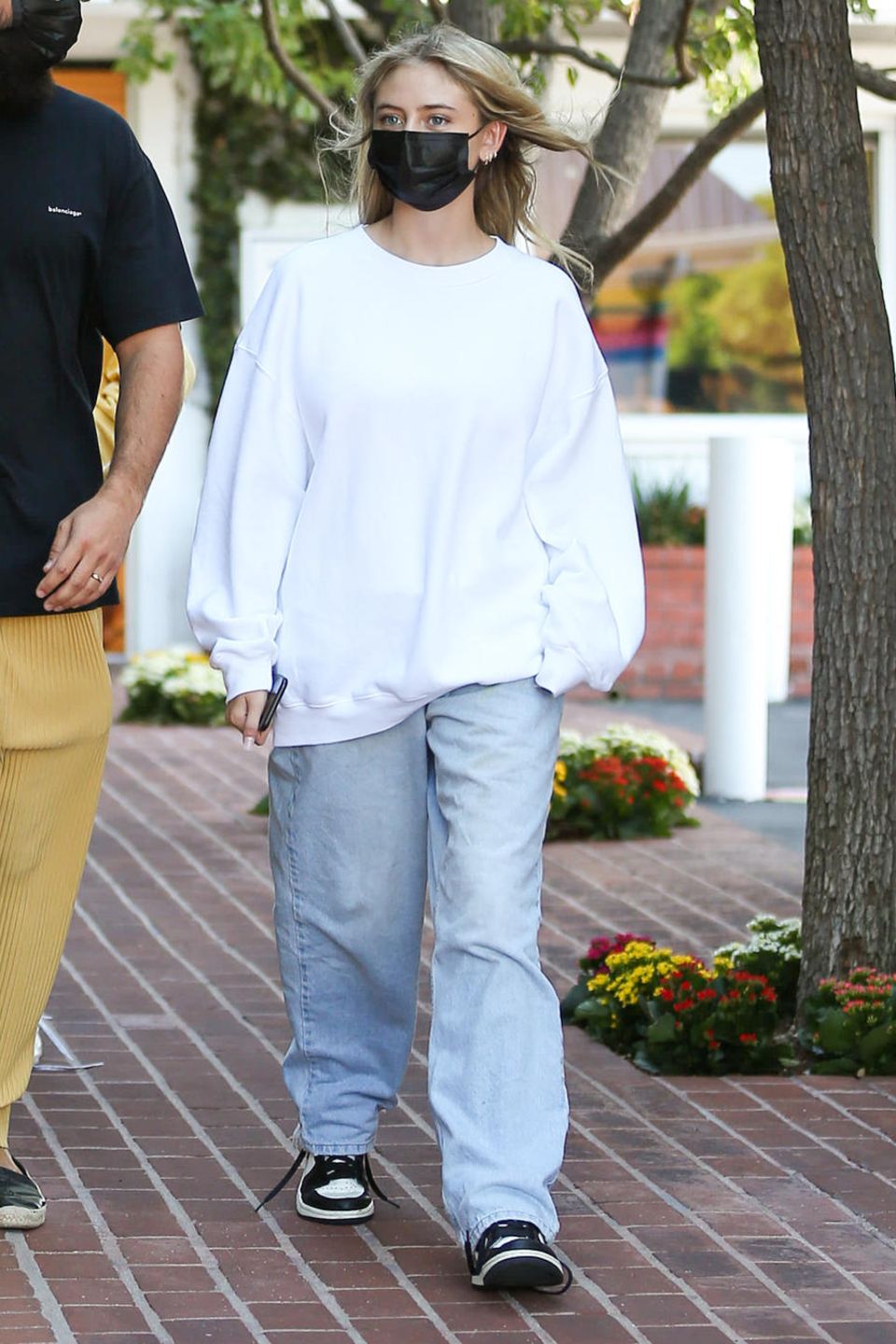
Leni Klum stands at approximately 5 feet 7 inches (170 cm). While this height is slightly below the traditional standards for high-fashion models, which typically range from 5 feet 9 inches to over 6 feet, it opens up a broader discussion about the evolving standards in the industry.
The Traditional Standards of Height in Fashion
Historically, the fashion industry has favored taller models, primarily due to the following reasons:
- Runway Visibility: Taller models tend to have longer limbs, which create a more elongated silhouette that designers prefer for showcasing garments.
- Proportionality: Many designers create clothing to fit taller bodies, leading to a perception that taller models are more suited for high fashion.
- Brand Image: Height has often been associated with status and luxury, influencing brands to select taller models to embody these ideals.
The Shift in Fashion Standards
In recent years, the fashion industry has witnessed a shift towards inclusivity and diversity. This change is influenced by several factors:
- Consumer Demand: Audiences are increasingly advocating for representation, pushing brands to feature models of various heights, sizes, and backgrounds.
- Social Media Influence: Platforms like Instagram have enabled models of all shapes and sizes to gain visibility and create a personal brand, challenging the traditional standards of beauty.
- Brand Values: Many brands have started to align themselves with social causes, promoting diversity and inclusivity as core values.
Case Studies: Models Breaking the Mold
Several models have achieved great success despite not conforming to the traditional height standards:
- Kate Moss: Standing at 5 feet 6 inches, Moss became one of the most iconic models of her generation, showcasing that talent and unique style can trump height.
- Tyra Banks: At 5 feet 10 inches, Banks embraced her height but also challenged industry norms by hosting a successful television show focused on modeling and beauty.
- Ashley Graham: Although primarily known as a plus-size model, Graham stands at 5 feet 9 inches and has been instrumental in changing perceptions about body size and shape in the fashion world.
Leni Klum’s Impact on the Industry

As Leni Klum navigates her modeling career, her height presents both challenges and opportunities. Here’s how her journey may impact the industry:
- Representation: Leni’s visibility as a model of average height can inspire other aspiring models who may not fit the traditional mold, encouraging them to pursue their dreams.
- Modern Aesthetics: With the growing acceptance of diverse body types, Leni’s presence in the industry may contribute to a broader definition of what it means to be a model.
- Celebrity Influence: As the daughter of a supermodel, Leni carries a legacy, which may allow her to challenge the beauty standards set by the industry more effectively.
Height and Success: Statistics and Insights

While height has traditionally been a significant factor in modeling, recent statistics suggest that the industry is changing. A study by the Business of Fashion in collaboration with McKinsey & Company found that:
- Models of varying heights are increasingly being featured in campaigns, with 36% of models in recent fashion weeks being under 5 feet 8 inches.
- Brands that embrace diverse representation report higher engagement rates and sales, indicating that consumers are responding positively to varied body types.
- Social media metrics show that campaigns featuring models of different heights perform better in terms of shares and comments, suggesting a shift in consumer preferences.
The Future of Fashion and Height
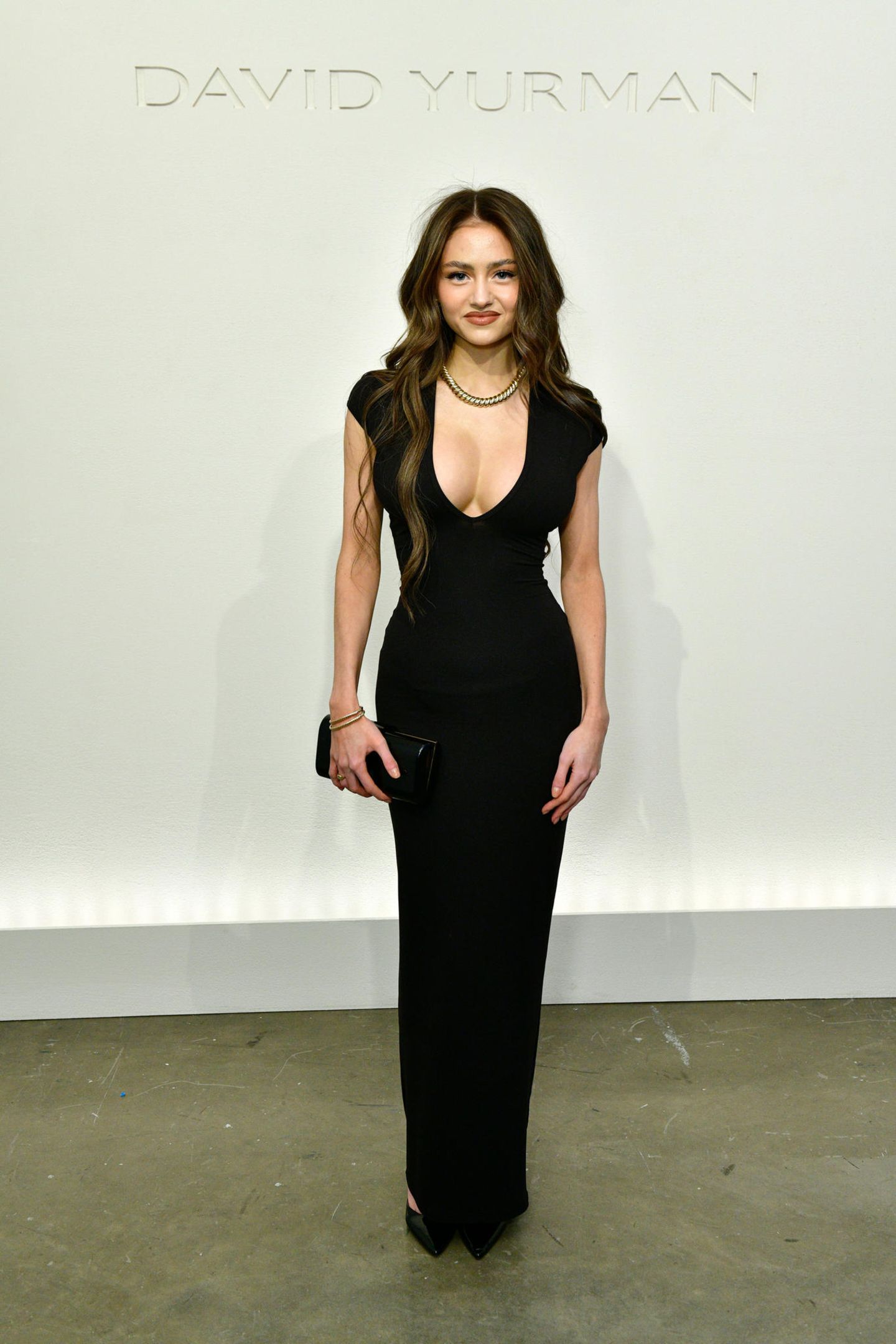
As Leni Klum continues to carve her path in the fashion world, her height may be a topic of discussion, but it is increasingly becoming less of a barrier to success. The industry is evolving, embracing diversity and inclusivity in ways that allow talent and personality to shine beyond mere physical attributes. Height, while still a consideration, is no longer the defining factor for success in fashion. Instead, it is the unique qualities and perspectives that models bring to the table that will shape the future of the industry.
In summary, while Leni Klum’s height may initially raise eyebrows, it is crucial to recognize the broader changes occurring in the fashion landscape. As consumers demand more representation, and brands respond with diverse casting, the significance of height will continue to diminish. The future of fashion is not solely about tall models; it’s about celebrating a multitude of voices and styles.