by
by The themes of honor and revenge are intricately woven into the fabric of literature, often driving characters to make profound choices that shape their destiny. In the context of Montoya’s journey—whether considered in a specific literary work or as a broader archetype—these themes manifest in ways that resonate deeply with readers. This article delves into the complex interplay between honor and revenge, examining how these elements define Montoya’s character, influence his decisions, and ultimately shape the narrative arc of his journey.
Understanding the Concepts: Honor and Revenge

Before we delve into Montoya’s journey, it is essential to define the core concepts of honor and revenge.
- Honor: Honor is often associated with integrity, respect, and a sense of duty. It compels individuals to act ethically, upholding moral standards even in the face of adversity.
- Revenge: Revenge is a response to perceived wrongs, characterized by a desire to retaliate against those who have caused harm. It can be a powerful motivator that drives individuals to pursue justice, often blurring the lines between right and wrong.
In many narratives, characters grapple with these concepts, leading to internal conflict and dramatic tension. Montoya’s journey serves as a prime example of this struggle.
Montoya’s Background: A Man of Honor
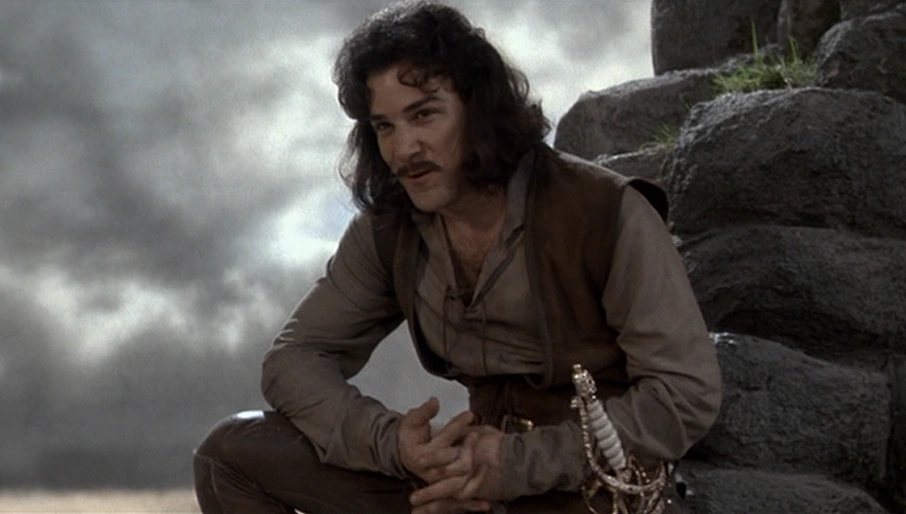
To understand Montoya’s journey, we must first explore his background and the values he embodies. Montoya is often portrayed as a character who holds honor in the highest regard. His upbringing instills in him a strong sense of duty and loyalty, particularly towards his family and community. This foundation shapes his worldview, where honor dictates his actions and decisions.
- Family Loyalty: Montoya’s dedication to his family often puts him at odds with societal expectations. His commitment to family honor drives many of his choices, illustrating the weight of familial ties.
- Cultural Expectations: In cultures where honor plays a pivotal role, Montoya’s adherence to these values highlights the societal pressures that shape individual behavior.
Montoya’s background sets the stage for the conflicts he will face, particularly as he encounters situations that challenge his sense of honor.
The Catalyst for Revenge: A Breach of Honor

Montoya’s journey takes a dramatic turn when he experiences a significant breach of honor. This moment serves as the catalyst for his desire for revenge. The breach may involve betrayal, loss, or an insult to his family name, igniting a fire within him that compels him to act.
- Betrayal by a Trusted Ally: Often, characters like Montoya find themselves betrayed by those they trust the most. This betrayal can lead to a profound sense of injustice, prompting a quest for retribution.
- Injustice Against Innocents: When innocent members of Montoya’s community suffer due to the actions of others, his sense of honor demands that he seek vengeance to restore balance.
This breach of honor not only propels Montoya towards revenge but also forces him to confront the moral implications of his actions. The internal conflict that arises adds depth to his character and enriches the narrative.
The Pursuit of Revenge: Consequences and Moral Dilemmas
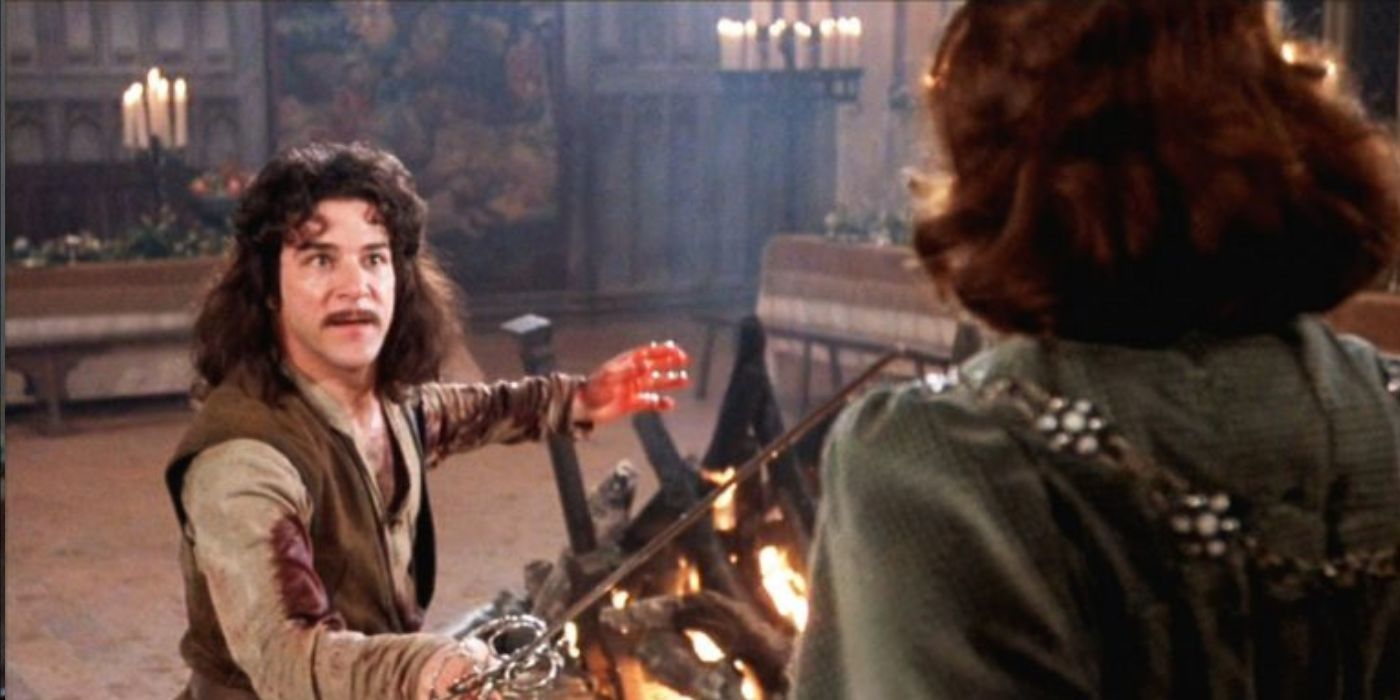
As Montoya embarks on his path of revenge, he faces numerous challenges that test his character and resolve. The pursuit of vengeance often leads to a series of moral dilemmas that force him to question his motivations and the consequences of his actions.
- Escalation of Conflict: Montoya’s desire for revenge can lead to an escalation of conflict, where each act of retaliation begets further violence. This cycle can spiral out of control, impacting not just Montoya but also those around him.
- Loss of Honor: In seeking revenge, Montoya risks losing the very honor he holds dear. The line between justice and vengeance becomes increasingly blurred, leading to potential self-destruction.
These themes resonate with classic literature, where characters are often caught in the web of their own making, illustrating the tragic consequences of revenge-driven actions.
Case Studies: Literary and Historical Parallels
Examining Montoya’s journey through the lens of literature and history reveals parallels that enhance our understanding of the themes of honor and revenge. Notable examples include:
- Hamlet by William Shakespeare: Hamlet’s quest for revenge against Claudius for his father’s murder encapsulates the moral dilemmas of vengeance. Like Montoya, Hamlet grapples with the implications of his actions on his honor and the lives of those around him.
- The Count of Monte Cristo by Alexandre Dumas: Edmond Dantès’ transformation from a wronged man to a vengeful figure mirrors Montoya’s journey. Dantès’ pursuit of revenge leads to a loss of his original identity and raises questions about justice and morality.
- Historical Figures: Figures such as Robin Hood, who seek to avenge perceived wrongs against the downtrodden, exemplify the fine line between honor and revenge, showcasing how these themes resonate through time.
These examples illustrate the universality of Montoya’s journey, highlighting how themes of honor and revenge transcend cultural and temporal boundaries.
The Redemption Arc: Reconciling Honor with Revenge

As Montoya’s journey unfolds, the possibility of redemption emerges. The realization that revenge may not bring the peace he seeks can lead to a transformative experience, where he begins to reconcile his sense of honor with his desire for vengeance.
- Self-Reflection: A pivotal moment in Montoya’s journey may involve a moment of self-reflection, prompting him to reconsider his motivations and the legacy he wishes to leave behind.
- Forgiveness as Strength: Embracing forgiveness, rather than revenge, can become a powerful act of honor. This shift in perspective may allow Montoya to reclaim his sense of integrity and honor.
These elements contribute to a rich narrative that illustrates the complexity of human emotions and the struggles individuals face in reconciling their desires with their values.
The Lasting Impact of Honor and Revenge

Montoya’s journey serves as a profound exploration of the themes of honor and revenge, illustrating the intricate balance between personal integrity and the desire for retribution. Through his experiences, we gain insight into the moral dilemmas that arise when individuals are faced with breaches of honor and the consequences of seeking revenge.
In summary, the exploration of honor and revenge in Montoya’s journey reveals:
- The significance of family and cultural values in shaping individual identity.
- The complexities of pursuing revenge and the moral implications it carries.
- The potential for redemption and the power of forgiveness as a means to reclaim honor.
Ultimately, Montoya’s story reminds us of the timeless nature of these themes, urging readers to reflect on their own values and the choices they make in the face of conflict. Through this lens, we can appreciate the depth of Montoya’s journey and its relevance to our understanding of the human experience.