 by
by Fan culture is one of the most vibrant aspects of sports, serving as a testament to the deep emotional connections that supporters forge with their clubs. In this article, we will explore the unique fan cultures of Sporting Lisbon and Club Brugge. By examining their histories, rituals, and the socio-economic factors that influence their passionate support, we aim to provide a comprehensive understanding of what drives these communities and what makes them stand out in the broader landscape of European football.
Understanding Sporting Lisbon’s Fan Culture
Sporting Clube de Portugal, commonly known as Sporting Lisbon, is one of the “Big Three” football clubs in Portugal. Founded in 1906, the club has a rich history and a passionate fan base known as “Leões” (Lions). Sporting supporters are known for their loyalty, pride, and distinctive rituals that contribute to a vibrant match-day atmosphere.
The Historical Context
Sporting Lisbon has a storied past that has shaped its current fan culture. The club has won numerous league titles and is one of the most successful teams in Portugal. However, its history is not without struggles, including financial difficulties and periods of underperformance that have tested the resolve of its supporters. These challenges have fostered a sense of unity among fans, reinforcing their loyalty and dedication.
Rituals and Traditions

Sporting fans engage in various rituals that enhance their match-day experience:
- Tifo Displays: Fans often create elaborate banners and choreographed displays to show their support and intimidate opponents.
- Chants and Songs: The “Verde e Branco” (Green and White) chants echo through the stands, creating an electric atmosphere. These songs often tell stories of the club’s glorious past.
- Match Day Gatherings: Pre-match gatherings in local pubs and squares are common, where fans unite to share their passion and camaraderie before heading to the stadium.
The Socio-Economic Impact
Sporting Lisbon’s fan culture is deeply intertwined with the socio-economic fabric of Lisbon. The club serves as a unifying force in a city characterized by diverse demographics:
- Community Engagement: The club often engages in social initiatives, fostering a sense of community among supporters.
- Economic Influence: Home matches significantly boost local businesses, from bars to merchandise shops, highlighting the club’s economic impact.
Club Brugge: The Heartbeat of Belgian Football
Club Brugge, founded in 1891, is one of Belgium’s most successful football clubs. Known for its passionate supporters, Club Brugge fans, referred to as “Blauw-Zwart” (Blue-Black), have cultivated a unique culture that reflects the club’s history and the city of Bruges itself.
A Rich Heritage

Club Brugge’s history is filled with triumphs, including numerous Belgian Pro League titles and memorable European campaigns. The club’s successes have fostered a strong sense of pride among its supporters, who view their allegiance as a badge of honor.
Chants and Match-Day Rituals
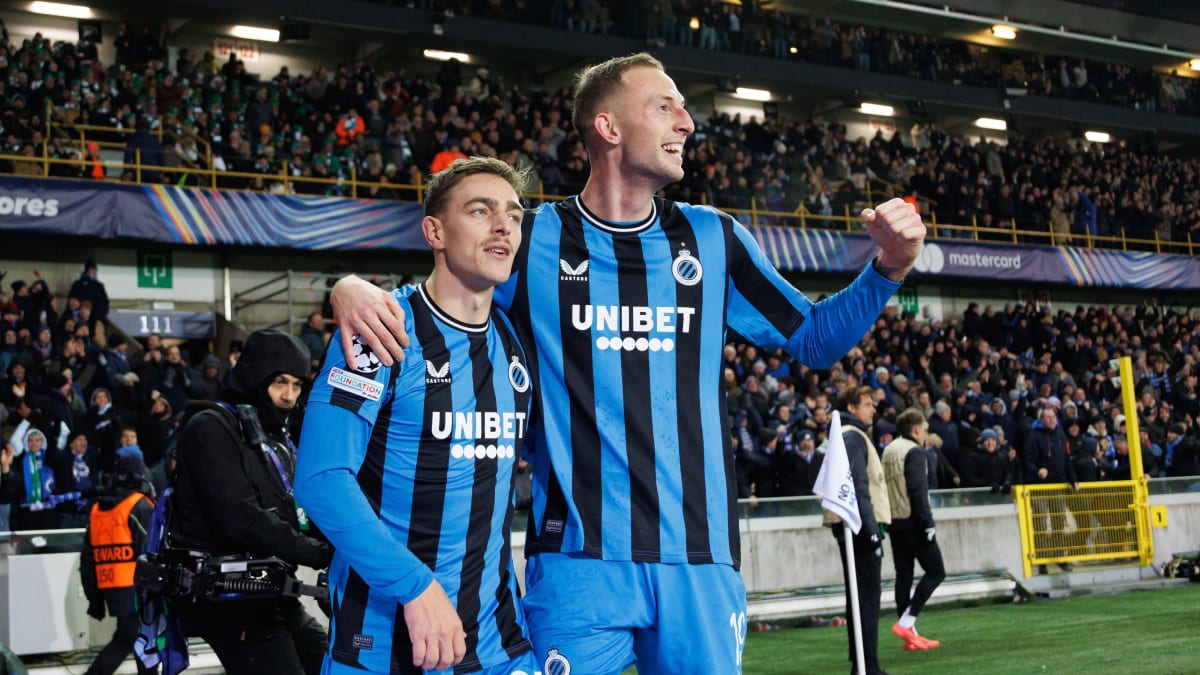
Just like Sporting Lisbon, Club Brugge fans have their own set of rituals that enhance the match-day experience:
- Flag Displays: The fans often wave large flags and display their colors prominently during matches, creating a visually stunning atmosphere.
- Chants: Catchy chants, often based on popular songs, fill the air as supporters rally behind their team.
- Drumming and Instruments: Many fans bring drums and other instruments to matches, adding to the rhythmic energy in the stadium.
Community and Identity
/vidio-web-prod-video/uploads/video/image/8482914/hl-ucl-club-brugge-vs-sporting-babak-1-6caf58.jpg)
Club Brugge’s fan culture is deeply rooted in community identity:
- Local Pride: The club serves as a source of pride for the people of Bruges, with many fans having familial ties to the club that span generations.
- Charity and Engagement: Club Brugge engages in various charitable activities, reinforcing the relationship between the club and the local community.
Comparative Analysis: Sporting Lisbon vs. Club Brugge

While Sporting Lisbon and Club Brugge share similarities in their passionate fan cultures, there are also notable differences that reflect their unique identities:
- Geographical Context: Lisbon is a bustling capital city, while Bruges is a smaller, historic city, leading to different community dynamics.
- Historical Struggles: Sporting Lisbon has faced more financial challenges in recent years, which has intensified the loyalty of its supporters, while Club Brugge has enjoyed a more stable trajectory.
- Rituals and Traditions: Both clubs have distinct rituals, with Sporting Lisbon’s more focused on elaborate tifo displays and Club Brugge emphasizing communal drumming and flag displays.
The Role of Digital Media in Fan Culture
Both Sporting Lisbon and Club Brugge have embraced digital media to enhance fan engagement:
- Social Media Presence: Both clubs maintain active social media accounts, providing fans with updates, behind-the-scenes content, and opportunities for interaction.
- Online Merchandise: The clubs have expanded their merchandise sales online, allowing fans around the world to support their teams.
- Fan Forums: Online forums and platforms enable fans to discuss matches, share opinions, and connect with like-minded individuals.
The passionate fan cultures of Sporting Lisbon and Club Brugge offer a fascinating glimpse into the world of sports fandom. From their rich histories and vibrant rituals to their deep-rooted community ties, both clubs exemplify the power of football to unite people. Whether it’s the roaring chants at the Estádio José Alvalade or the rhythmic drumming at Jan Breydel Stadium, these supporters embody the spirit of their clubs. As football continues to evolve in the digital age, the essence of fan culture will remain a vital component of the beautiful game, fostering connections that transcend borders and generations.

/cdn.vox-cdn.com/uploads/chorus_image/image/14275001/169983884.0.jpg "Tactical Breakdown: Penguins vs Bruins – Strategies on Ice")