by
by Ruud Gullit, a name synonymous with versatility and flair in the world of football, is often regarded as one of the most complete players to have graced the game. With a career spanning over two decades, Gullit not only made an indelible mark as a player but also transitioned seamlessly into management and commentary, making him a true renaissance man in the sport. This article delves into his multifaceted career, exploring his playing style, managerial philosophies, and contributions to football culture.
Early Life and Rise to Prominence
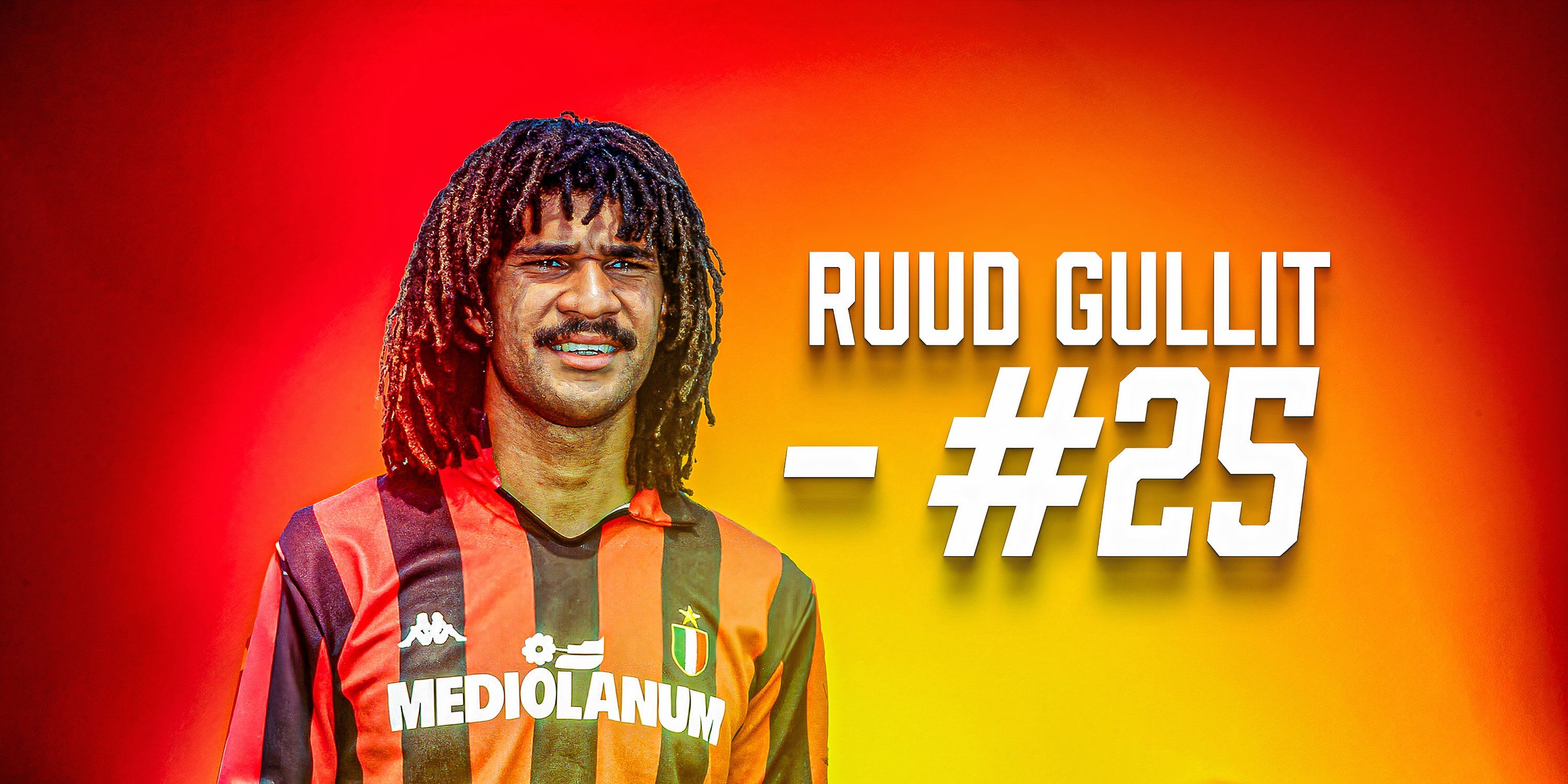
Ruud Gullit was born on September 1, 1962, in Amsterdam, Netherlands. His early exposure to football came from his father, who was a semi-professional player. Gullit’s unique blend of physicality, technical skill, and tactical intelligence quickly set him apart from his peers. He began his professional career at FC Haarlem before moving to Feyenoord, where he won his first major trophy, the KNVB Cup, in 1980.
However, it was his time at PSV Eindhoven and subsequently at AC Milan that truly launched him into the global spotlight. At PSV, he won the Eredivisie and the European Cup. His tenure at AC Milan, under the management of Arrigo Sacchi, was particularly transformative. Gullit formed a formidable partnership with fellow Dutchmen Marco van Basten and Frank Rijkaard, leading the team to numerous victories, including:
- Two Serie A titles (1988, 1992)
- Two European Cups (1989, 1990)
The Playing Style of a Maestro
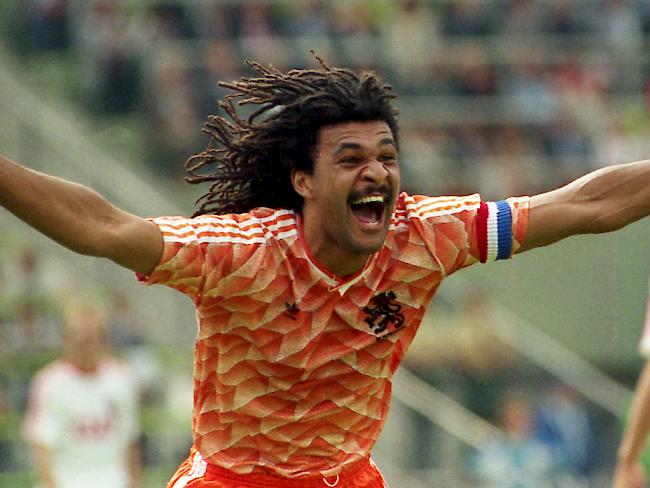
Gullit’s playing style was a blend of strength, elegance, and tactical acumen. Standing at 6’3″, he possessed the physicality to dominate opponents while also showcasing exceptional technical skills. His versatility allowed him to play multiple positions, including midfielder, forward, and even as a sweeper.
Some key characteristics of Gullit’s playing style include:
- Vision and Creativity: Gullit had an innate ability to read the game, often dictating play from the midfield. His passing range was exceptional, allowing him to create goal-scoring opportunities for his teammates.
- Physical Presence: His height and strength made him a formidable force in aerial duels and physical confrontations, often outmuscling defenders.
- Leadership: Gullit captained the Dutch national team and club sides, inspiring his teammates with his work ethic and tactical understanding.
International Glory: The European Championship and Beyond
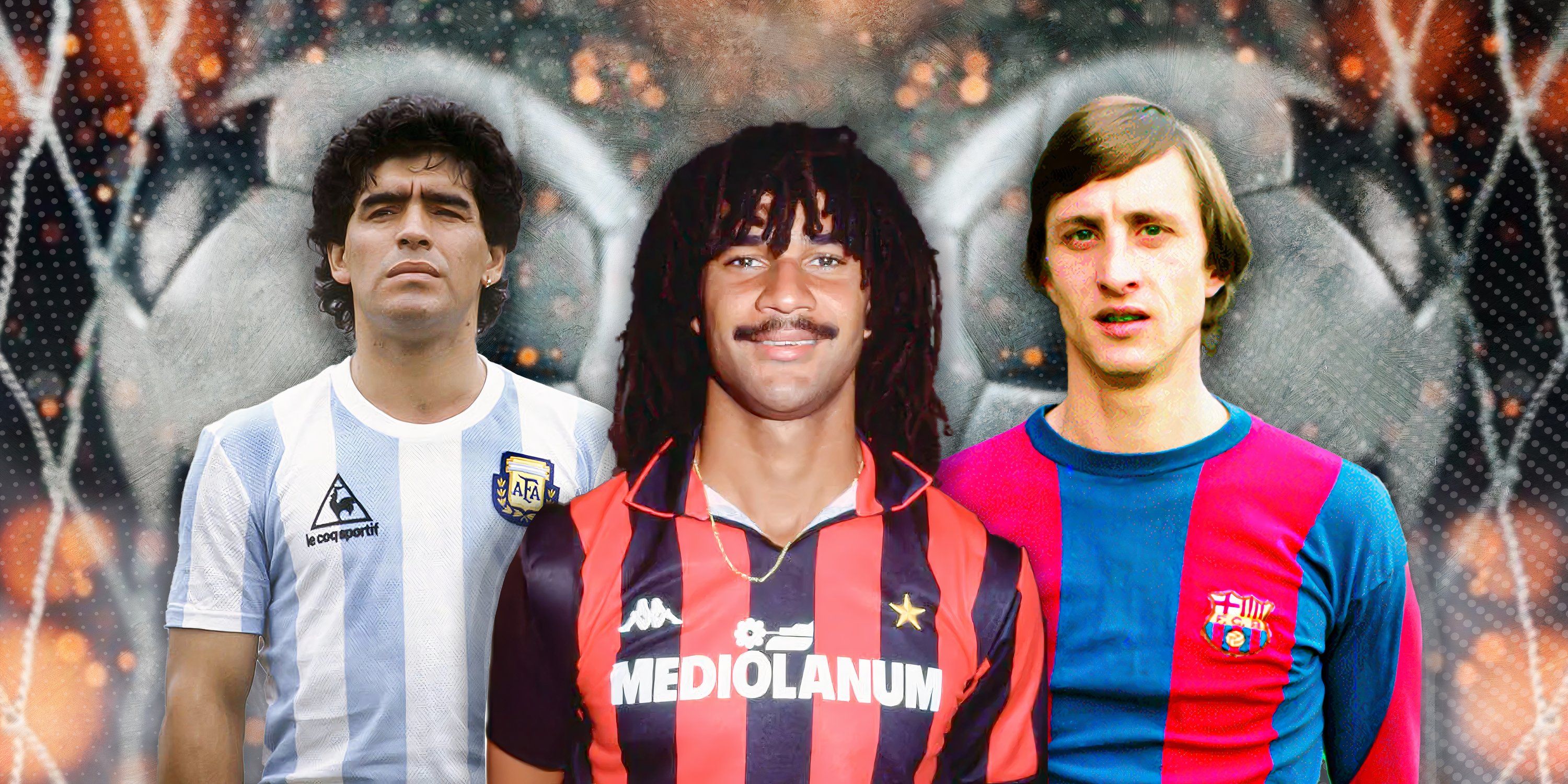
Gullit’s contributions to the Dutch national team were pivotal during a golden era for Dutch football. He was a key player in the Netherlands’ triumph at the 1988 UEFA European Championship, where the team showcased a brand of football that was both stylish and effective. In the final against the Soviet Union, Gullit scored the opening goal, helping to secure a 2-0 victory.
His international career is marked by several key moments, including:
- Participation in three World Cups (1986, 1990, 1994)
- Winning the 1988 European Championship with the Netherlands
- Being named Dutch Footballer of the Year twice (1985, 1987)
Transitioning into Management and Media

After retiring from professional football in 1998, Gullit transitioned into management and media with remarkable ease. He took on managerial roles at clubs such as Chelsea, where he won the FA Cup in 2000, and Newcastle United. His coaching philosophy emphasized attacking football, mirroring his own style as a player.
Gullit’s approach to management can be summarized as follows:
- Emphasis on Team Cohesion: He believed in the importance of creating a strong team spirit, often focusing on player relationships both on and off the pitch.
- Adapting Tactics: Gullit was known for his ability to adapt tactics based on the players at his disposal, showcasing a flexibility that is often lacking in modern coaching.
- Player Development: He had a knack for nurturing young talent, encouraging creativity and individual expression in his players.
Beyond management, Gullit has made significant contributions to football as a commentator and analyst, providing insights that reflect his deep understanding of the game. His articulate commentary and passion for football have made him a respected figure in sports journalism.
Legacy and Influence on Modern Football

Ruud Gullit’s impact on football extends beyond his immediate achievements. As one of the first players to truly embody the idea of a ‘complete footballer,’ he has inspired generations of players. His influence can be seen in the way modern football emphasizes versatility and the ability to play multiple roles within a team.
Some of the ways in which Gullit’s legacy is evident today include:
- Renaissance of Versatility: Players like Kevin De Bruyne, N’Golo Kanté, and others continue to demonstrate the importance of being adaptable on the pitch, a trait that Gullit exemplified.
- Cultural Impact: Gullit broke barriers as a player of mixed heritage, becoming a role model for diversity in football. His success has paved the way for players from various backgrounds to excel in the sport.
- Tactical Evolution: Modern managers often draw upon the tactical innovations introduced during Gullit’s playing era, emphasizing fluid formations and positional interchangeability.
Ruud Gullit’s journey through football is a remarkable tale of talent, versatility, and influence. From his early days in Amsterdam to the heights of European football, Gullit has left an indelible mark on the sport. His seamless transition from player to manager and commentator exemplifies the qualities of a true renaissance man in football.
As we reflect on his legacy, it is clear that Gullit is not just a player who achieved success; he is a transformative figure who has shaped the game in profound ways. His contributions to football culture, his emphasis on versatility, and his ability to inspire others ensure that Ruud Gullit will be remembered as one of the greatest icons in the history of the sport.