by
by Maria Lamela is a name that resonates in the fields of art, education, and cultural exchange. As a seasoned artist and educator, her journey has been shaped significantly by her age and the experiences that come with it. This article explores how different stages of Lamela’s life influenced her artistic expression, teaching methods, and interactions with the world around her. With a focus on her background, key influences, and her approach to creativity, we aim to provide valuable insights into the interplay between age and artistic development.
Early Life: The Foundations of Creativity

Maria Lamela was born in a small town, where her early exposure to art and culture ignited her passion for creativity. Growing up, she was surrounded by a family that valued artistic expression. This environment played a crucial role in shaping her worldview and artistic inclinations. In her formative years, Maria engaged in various artistic activities, such as:
- Attending local art classes
- Participating in community theater
- Exploring different mediums, including painting and sculpture
These early experiences were pivotal, as they laid the groundwork for her later pursuits. Maria’s youth was marked by a sense of exploration and experimentation, which would come to define her artistic style. However, it was the lessons learned during this period that would inform her work in the decades to come.
Adolescence: Finding Her Voice
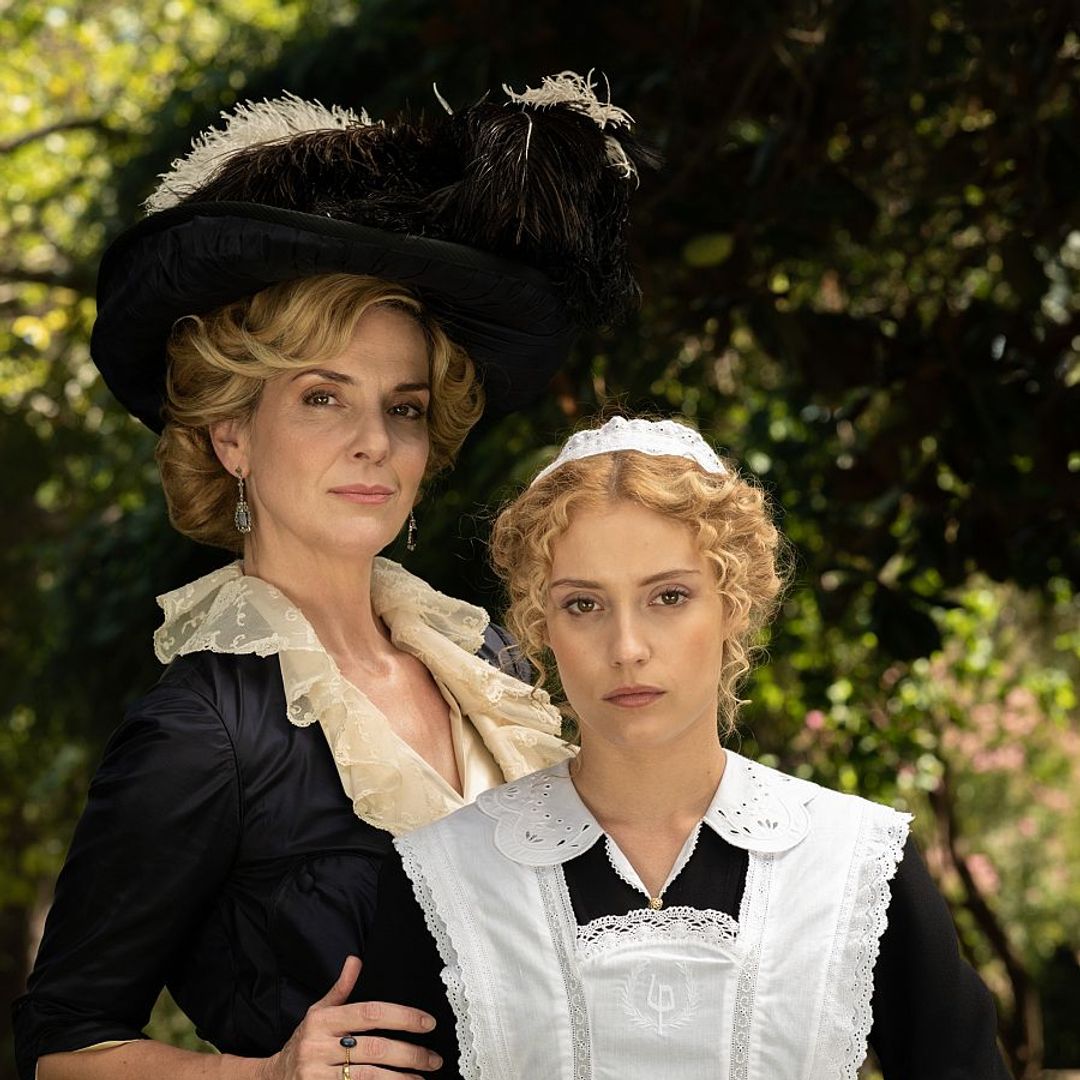
As Maria transitioned into her teenage years, her artistic vision began to crystallize. This was a period marked by both personal and societal challenges, including the pressures of adolescence and the influence of contemporary art movements. Maria began to explore her identity as an artist, grappling with themes of individuality and self-expression. Key influences during this time included:
- The rise of pop culture and its impact on visual aesthetics
- The emergence of feminist art movements
- Encounters with diverse artistic communities
Maria’s experiences during her adolescence not only shaped her artistic style but also informed her approach to teaching and mentorship. She recognized the importance of fostering a supportive environment for young artists, emphasizing the need for emotional and social development alongside technical skills.
Young Adulthood: The Pursuit of Education
In her twenties, Maria Lamela pursued formal education in fine arts. This period was crucial for her artistic development, as it allowed her to refine her techniques and expand her knowledge of art history. During her studies, Maria encountered various influential figures, including professors and fellow students, who challenged her perspectives. Some significant aspects of this phase included:
- Developing a critical understanding of art theory
- Participating in collaborative projects and exhibitions
- Exploring various artistic disciplines, such as photography and digital art
Her educational journey was also marked by her increasing awareness of the societal implications of art. Maria began to see her work as a means of addressing social issues and advocating for change. This realization would later become a central theme in her artistic practice.
Midlife: Maturity and Reflection

As Maria entered her thirties and forties, her work began to reflect a deeper understanding of the complexities of life. This maturity brought about a more nuanced exploration of themes such as identity, culture, and the human experience. During this time, Maria produced some of her most impactful works, which included:
- Large-scale installations that encouraged audience interaction
- Mixed-media pieces that combined traditional and contemporary techniques
- Community-based projects that involved collaboration with local artists
Maria’s age allowed her to draw from a wealth of experiences, both personal and professional. She began to mentor younger artists, sharing her knowledge and insights. Her role as an educator became more pronounced, as she sought to inspire the next generation of creatives. Maria emphasized the importance of resilience and adaptability, qualities she had developed over the years.
Later Years: Legacy and Influence
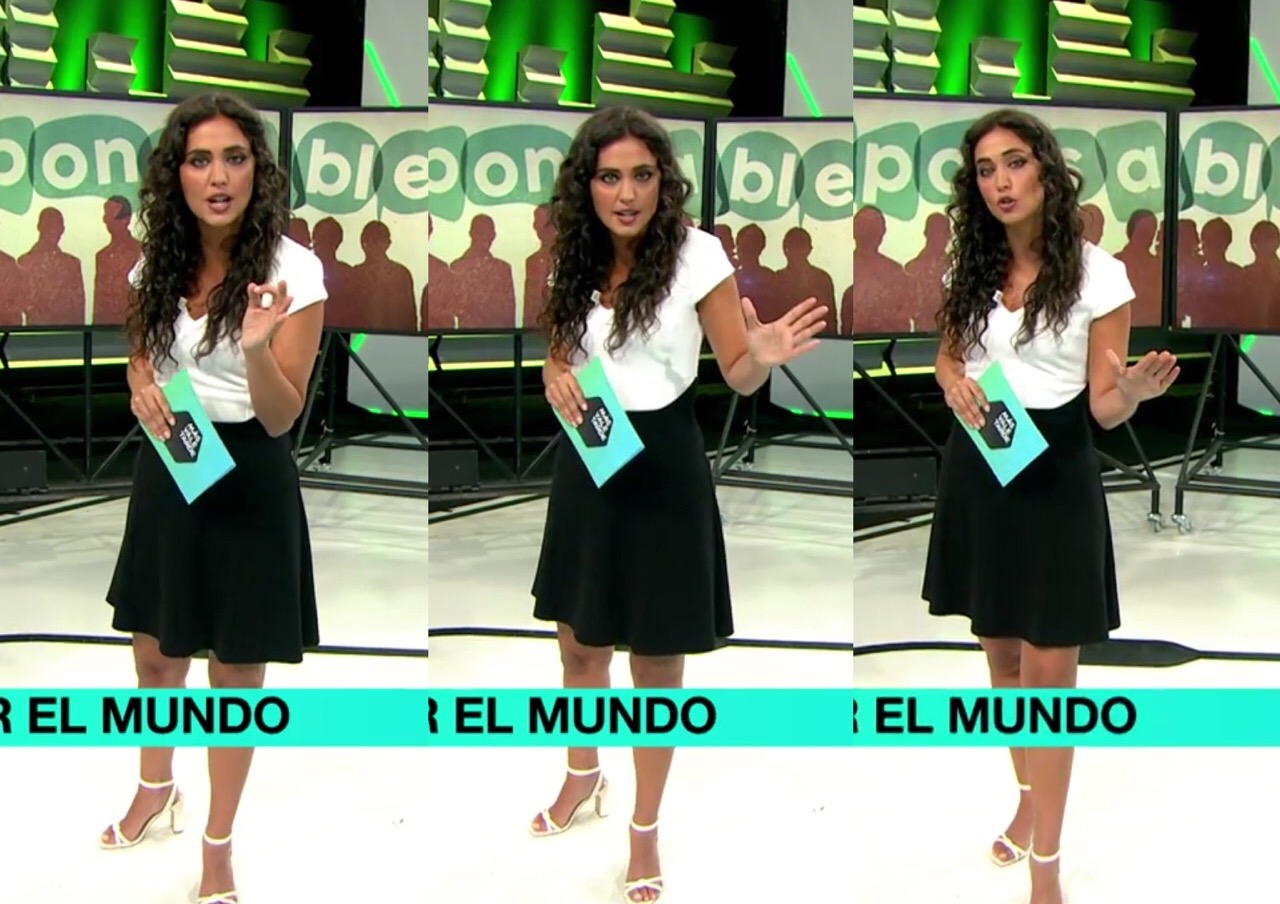
In her later years, Maria Lamela has continued to be a significant figure in the art community. Her age has offered her a unique perspective on the evolving nature of art and culture. In this phase of her career, she has focused on:
- Documenting her artistic journey through writing and lectures
- Engaging in intergenerational projects that bridge the gap between young and seasoned artists
- Advocating for the inclusion of underrepresented voices in the art world
Maria’s commitment to mentorship and community engagement has made her a beloved figure among students and peers alike. Her ability to connect with individuals from various backgrounds demonstrates the power of art as a unifying force. Furthermore, her insights into the impact of age on creativity have sparked important conversations about the value of experience in the arts.
Case Study: The Impact of Age on Artistic Expression

To further illustrate the influence of age on Maria Lamela’s work, consider a case study of her recent project, “Reflections of Time.” This initiative involved collaborating with artists of various age groups, from teenagers to seniors, to create a collective art piece that explores the passage of time and its significance in personal narratives. Key findings from this project included:
- Young artists brought fresh perspectives and innovative approaches to traditional techniques.
- Older participants shared rich life experiences that added depth to the collective narrative.
- The collaboration fostered intergenerational dialogue, highlighting the importance of shared experiences in shaping artistic expression.
This project exemplifies how Maria’s age has enabled her to act as a bridge between generations, facilitating a dialogue that enriches the artistic community as a whole.
The Interplay of Age and Creativity

The journey of Maria Lamela is a testament to the profound impact of age on artistic expression and mentorship. From her early explorations in a supportive environment to her current role as a mentor and advocate for inclusivity, Maria’s work demonstrates that creativity is not confined to youth. Instead, it evolves and deepens with experience.
Key takeaways from Maria’s journey include:
- The importance of early exposure to art in shaping creative identities.
- How personal experiences and societal influences can enrich artistic expression.
- The value of mentorship and intergenerational collaboration in the arts.
Maria Lamela’s life and work serve as an inspiration for artists of all ages, reminding us that creativity knows no bounds and that every stage of life offers unique opportunities for growth and expression.