 by
by Javier Veiga is a celebrated figure in the world of contemporary art, known for his unique approach that combines various media and techniques. As an artist, his work is often seen as a reflection of his life experiences, including the significant impact of age on his creative output. This article delves into how age influences Veiga’s artistry, exploring the evolution of his style, thematic choices, and the broader implications of age in the art world.
The Evolution of Javier Veiga’s Artistic Style

Javier Veiga’s artistic journey is marked by a continuous evolution that mirrors the natural progression of life. As he ages, his work has transitioned from more traditional forms to experimental and abstract pieces that challenge viewers’ perceptions.
- Early Career: In the early stages of his career, Veiga focused on representational art, often drawing inspiration from the natural world around him. His earlier works are characterized by vibrant colors and detailed landscapes, reflecting a youthful exuberance.
- Mid-Career Developments: As he entered his thirties and forties, Veiga began to experiment with mixed media and abstraction. This shift was influenced by his growing understanding of the complexities of life and human emotions, which he began to incorporate into his art.
- Recent Works: In his later years, Veiga’s art has taken on a more introspective quality. Themes of aging, memory, and identity play a significant role in his most recent pieces, demonstrating a deeper understanding of the human experience.
Thematic Choices: Reflecting Life Experiences

Age profoundly influences the themes that Veiga explores in his work. As he matures, his art often reflects his personal experiences and observations about life, making his pieces relatable to a broader audience.
- Identity and Self-Reflection: Veiga’s later works frequently grapple with questions of identity. As he ages, he examines how personal and cultural identities evolve over time. His exploration of self is often depicted through abstract forms that symbolize the complexity of human existence.
- The Passage of Time: Many of Veiga’s recent pieces symbolize the inevitability of aging and the passage of time. He uses fading colors and disintegrating forms to evoke a sense of nostalgia and contemplation, inviting viewers to reflect on their own experiences with time.
- Interpersonal Relationships: Age brings a wealth of relationships and experiences, which Veiga captures in his art. Themes of love, loss, and connection are prevalent in his later works, showcasing how these relationships shape one’s identity and artistic expression.
Case Studies: Age and Artistic Output

To better understand how age impacts artistic expression, we can look at specific examples from Javier Veiga’s career, as well as other artists who share similar trajectories.
1. Javier Veiga’s “Reflections” Series
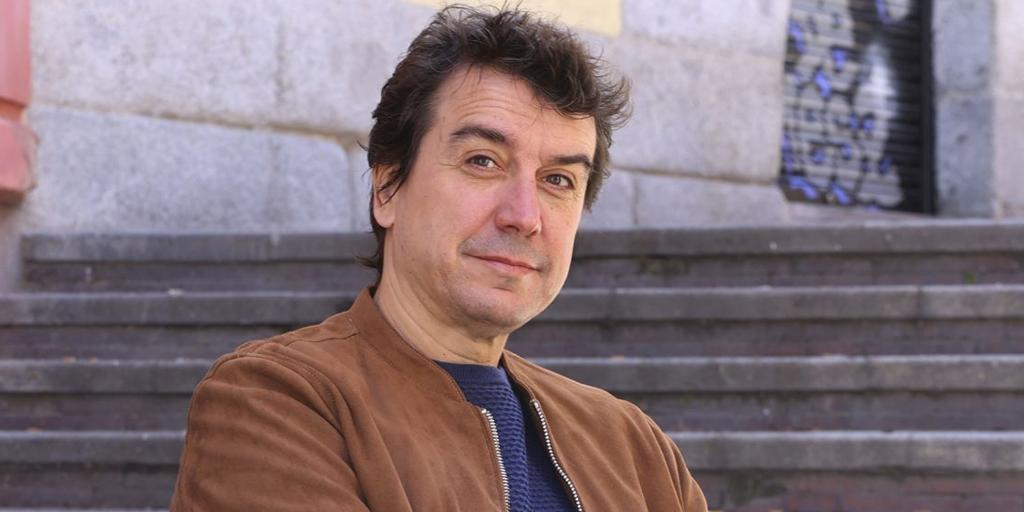
One of Veiga’s most notable series, “Reflections,” showcases how he grapples with the concept of self in relation to time. In this series, Veiga employs mirrors and reflective surfaces to symbolize self-examination. The pieces vary in color and texture, representing different stages of life:
- The early works feature bright, vibrant colors, symbolizing youth and vitality.
- As the series progresses, the colors become more muted and complex, reflecting the artist’s experiences and contemplations on aging.
2. Comparative Analysis with Other Artists
The impact of age on artistry is not unique to Veiga. Many renowned artists have similarly evolved their styles and themes over time:
- Pablo Picasso: Picasso’s Blue and Rose periods reflect his emotional state and life experiences at different ages. His later works, often more abstract, showcase a profound understanding of form and space developed through years of practice.
- Georgia O’Keeffe: O’Keeffe’s later works demonstrate a shift towards more abstract representations of nature, reflecting her internalization of age and the wisdom that comes with experience.
The Role of Audience Perception
As an artist ages, the perception of their work often shifts among audiences. This change can either enhance or challenge an artist’s reputation:
- Increased Respect: With age, artists often gain respect for their extensive body of work, leading to renewed interest in their earlier pieces.
- Potential for Misunderstanding: Conversely, audiences may struggle to connect with the more abstract or introspective themes that an aging artist begins to explore, potentially leading to a disconnect.
Statistics on Aging Artists
The impact of age on artistic output is also supported by various studies and statistics. Research indicates that:
- Artists often produce their most significant works between the ages of 30 and 50, after which there can be a decline in traditional artistic output.
- However, many artists experience a renaissance in their later years, often creating their most profound and introspective works as they reflect on their life experiences.
The Profound Influence of Age on Artistry

Javier Veiga’s artistic journey illustrates the profound influence of age on creativity and expression. As he navigates through life’s stages, his work transforms, revealing deeper themes that resonate with the human experience. The evolution of his style—from vibrant landscapes to introspective abstracts—reflects not only his growth as an artist but also the inevitable passage of time that shapes us all.
In conclusion, age is not merely a number for artists like Veiga; it is a vital component of their storytelling palette. As they age, artists have the opportunity to explore complex themes of identity, memory, and relationship dynamics, enriching their work and providing valuable insights for audiences. The interplay between age and artistry serves as a reminder that creativity is a lifelong journey, one that continually evolves and deepens with each passing year.


