by
by The B-2 Spirit, commonly known as the stealth bomber, represents one of the most significant advancements in military aviation technology. Developed by Northrop Grumman, this aircraft is renowned for its unique flying wing design and advanced stealth capabilities. However, the B-2 also comes with a staggering price tag, raising questions about the cost-effectiveness and necessity of such advanced military technology. This article delves into the financial implications of the B-2 program, exploring its development, operational costs, and the broader implications of investing in stealth technology.
The Development of the B-2 Bomber

The B-2 program began in the 1970s, amidst the Cold War and the race for technological superiority. The aircraft was designed to penetrate dense enemy air defenses and deliver both conventional and nuclear munitions.
- Initial Development: The B-2’s development was a response to the perceived need for a long-range, high-altitude bomber that could evade radar detection.
- Cost Overruns: The project experienced significant cost overruns, with initial projections of $560 million per plane ballooning to over $2 billion by the time the first aircraft was delivered in 1988.
- Technological Innovations: The B-2 incorporates advanced materials and design features, such as radar-absorbent coatings and a unique shape, which contribute to its stealth capabilities.
The Financial Breakdown of the B-2 Bomber
Understanding the cost of the B-2 bomber requires an examination of various financial components, including development, procurement, and operational expenses.
Development Costs

The development costs of the B-2 bomber are staggering and serve as a case study in defense spending:
- Total Development Cost: Approximately $44.75 billion for the entire program, which includes research, development, testing, and evaluation.
- Unit Cost: The estimated cost per aircraft is about $737 million when adjusted for inflation, which has made it one of the most expensive military aircraft ever produced.
- Research and Development: Over $23 billion was allocated to R&D alone, reflecting the complexity and sophistication of the technology involved.
Operational Costs
Operational costs for the B-2 are also significant, affecting the overall budget of the U.S. Air Force:
- Maintenance Costs: It costs about $3.4 million per year to maintain one B-2 bomber, primarily due to the specialized materials and technology.
- Fuel Efficiency: The B-2 is relatively fuel-efficient for a bomber, with a range of over 6,000 miles, but its operational costs still average about $135,000 per flight hour.
- Personnel Costs: The B-2 requires a highly trained crew, including pilots, navigators, and ground support staff, adding to the overall expense.
The Strategic Value of Stealth Technology
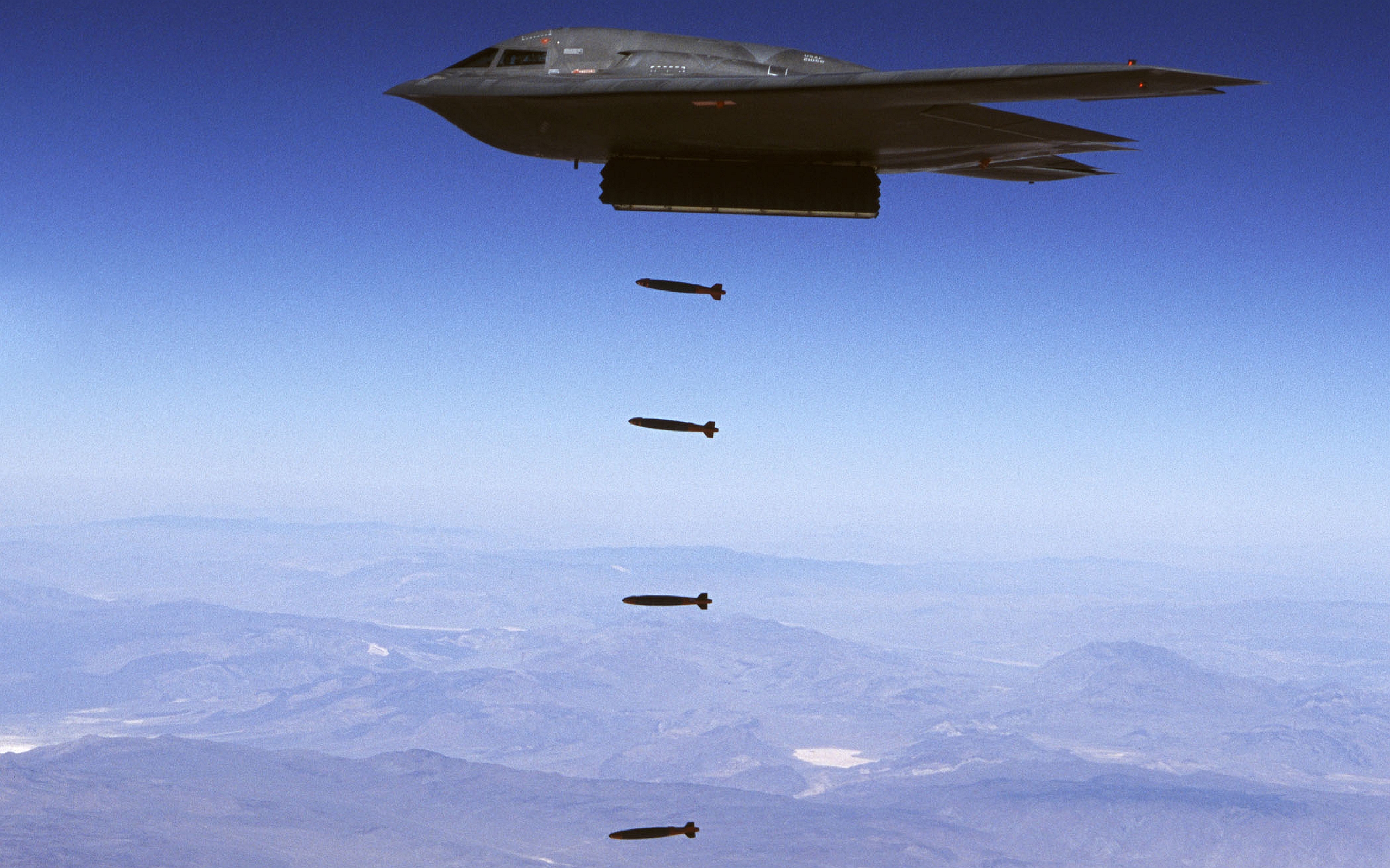
While the costs associated with the B-2 bomber are substantial, its strategic value cannot be overlooked. The following points illustrate the importance of stealth technology in modern warfare:
- Survivability: The B-2’s stealth capabilities allow it to penetrate enemy airspace with a significantly lower risk of detection, enhancing its survivability compared to conventional bombers.
- Precision Strikes: With advanced targeting systems, the B-2 can execute precision strikes, reducing collateral damage and increasing mission effectiveness.
- Deterrence: The presence of stealth bombers like the B-2 serves as a deterrent to potential adversaries, contributing to national security and global stability.
Case Studies: B-2 in Action
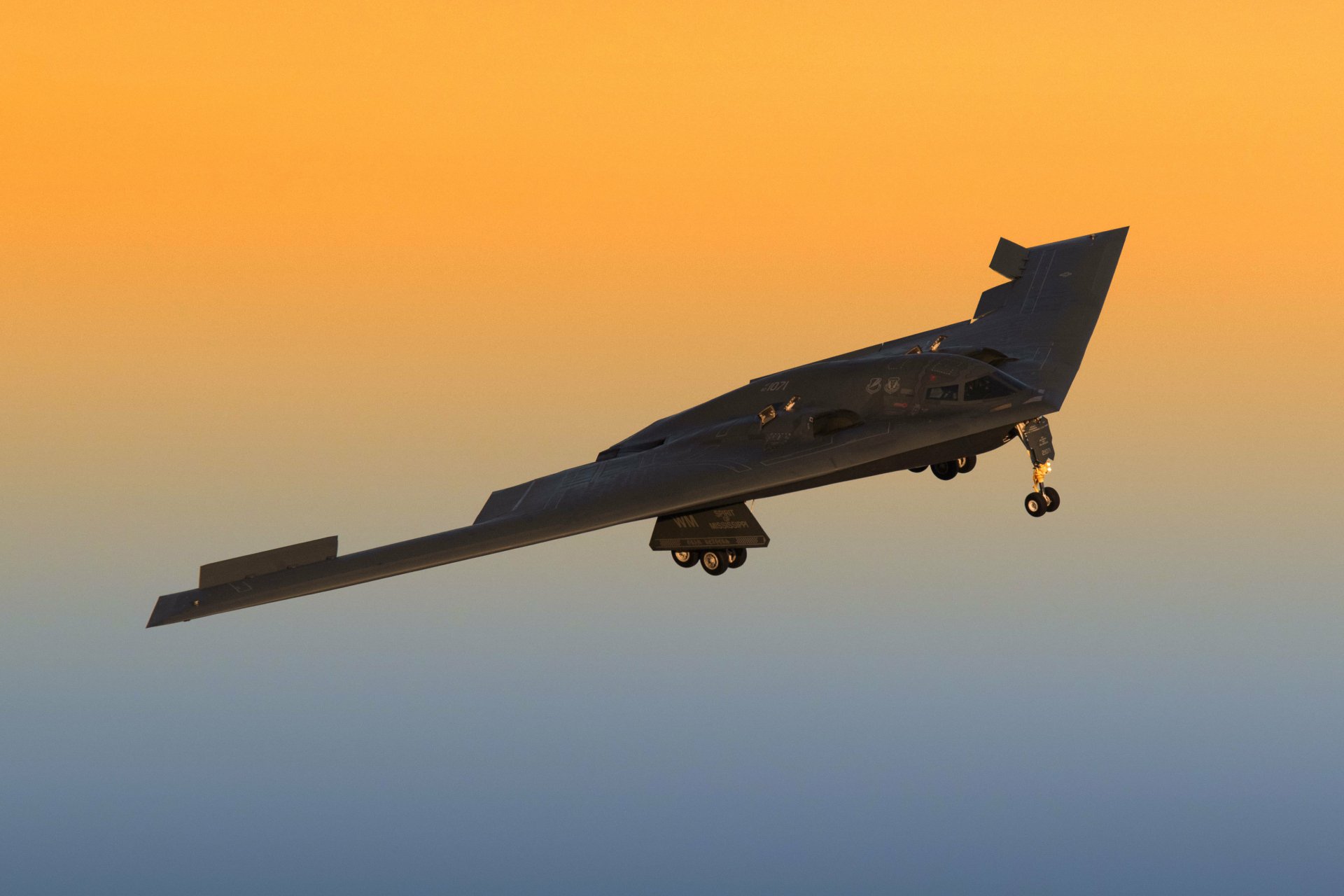
The effectiveness and cost implications of the B-2 can be better understood through real-world applications. Two notable instances highlight the bomber’s capabilities:
Operation Allied Force (1999)
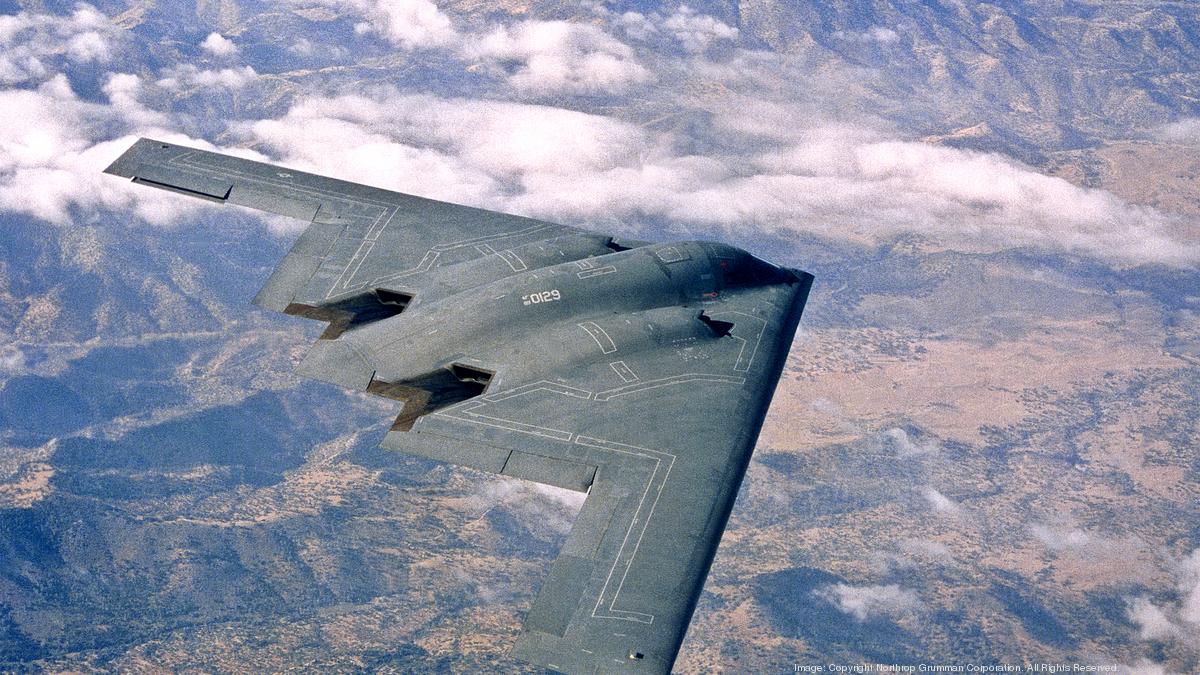
During the Kosovo War, the B-2 played a crucial role in NATO’s air campaign:
- Mission Success: The B-2 completed 20% of the total airstrikes while only accounting for 1% of the total sorties, showcasing its effectiveness.
- Cost-Effectiveness: The B-2’s ability to deliver precision strikes reduced the need for larger, more expensive air campaigns.
Operation Enduring Freedom (2001)

Following the September 11 attacks, the B-2 was deployed in Afghanistan:
- Rapid Deployment: The B-2 conducted missions from Whiteman Air Force Base in Missouri, demonstrating its long-range capabilities.
- Impact on Ground Forces: The bomber’s precision attacks provided crucial support to ground troops, significantly influencing the course of the conflict.
The Debate Over Cost vs. Value
As military budgets tighten and the global landscape evolves, the debate over the value of the B-2 and similar programs intensifies. Key points in this discussion include:
- Budget Constraints: With defense budgets under scrutiny, the high cost of the B-2 raises questions about the sustainability of such programs.
- Alternative Technologies: Emerging technologies such as drones and cyber warfare capabilities present cheaper alternatives to traditional bombers.
- Global Threats: As adversaries develop new technologies to counteract stealth capabilities, the ongoing effectiveness of the B-2 may be challenged.
A Price Worth Paying?
The B-2 bomber stands as a symbol of American military ingenuity and technological advancement. However, its high costs pose significant questions for policymakers and military strategists. The balance between the investment in advanced stealth technology and the necessity for cost-effective military solutions must be carefully weighed.
As defense budgets evolve and the nature of warfare continues to change, the future of the B-2 program remains uncertain. While it has proven its value in various conflicts, the continuous investment in such advanced aircraft will require justification in terms of both strategic necessity and financial viability.
Ultimately, the cost of stealth is not merely a financial figure; it reflects broader considerations about military readiness, national security, and the ever-changing dynamics of global threats. As nations navigate these complexities, the lessons learned from the B-2 program will undoubtedly shape the future of military aviation and defense policy.