by
by Bangladesh, a small country located in South Asia, is often recognized for its beautiful landscapes, rich culture, and vibrant history. However, beneath its surface lies a story of tremendous resilience and innovation. This article delves into the factors that have shaped Bangladesh into a nation that not only survives but thrives despite numerous challenges.
The Historical Context of Resilience
To fully understand the resilience of Bangladesh, we must first look at its history. The nation has faced significant adversities, including natural disasters, political turmoil, and economic struggles. Here are some key historical points that highlight the country’s resilience:
- Partition of Bengal (1947): The partition of British India led to the creation of Pakistan, which included East Pakistan (now Bangladesh). This division was marked by violence and displacement.
- Language Movement (1952): The people of East Pakistan fought for the recognition of Bengali as a state language, which laid the foundation for cultural identity and political awareness.
- Bangladesh Liberation War (1971): After a brutal war for independence from West Pakistan, Bangladesh emerged as a sovereign nation, demonstrating the people’s determination for self-determination.
- Natural Disasters: Bangladesh is prone to cyclones, floods, and riverbank erosion, yet its people have developed adaptive measures over decades.
Economic Resilience and Growth
:max_bytes(150000):strip_icc()/small-group-of-pilgrims-splashing-and-fooling-around-in-river--sri-krishnapur--rajshahi--bangladesh-936167646-5b6e11d646e0fb005080010e.jpg "Bangladesh: A Land of Resilience and Innovation")
Bangladesh has made remarkable strides in its economic development over the past few decades. Despite initially being one of the poorest countries in the world, it has transformed into one of the fastest-growing economies. Key factors contributing to this economic resilience include:
1. The Garment Industry
The garment industry is the backbone of Bangladesh’s economy, accounting for over 80% of the country’s total exports. Here are some notable aspects:
- Employment Opportunities: The sector employs approximately 4 million workers, mostly women, providing them with financial independence and empowerment.
- Global Supply Chains: Bangladesh has become a key player in global textile supply chains, collaborating with major brands like H&M and Zara.
- Sustainability Initiatives: Many factories are adopting sustainable practices, focusing on environmental responsibility and worker safety.
2. Agricultural Innovations
Agriculture remains a crucial sector, employing nearly 40% of the workforce. Innovative practices have enhanced productivity:
- High-Yield Varieties: The introduction of high-yield rice and other crops has significantly increased food production.
- Climate-Resilient Practices: Farmers are adopting techniques such as flood-resistant rice varieties and improved irrigation methods to combat climate change.
- Digital Agriculture: Mobile technology is being used to provide farmers with real-time information on weather, market prices, and best practices.
Social Resilience and Community Spirit
Bangladesh is characterized by a strong sense of community and social cohesion. This social resilience is evident in various aspects:
1. Microfinance and Entrepreneurship
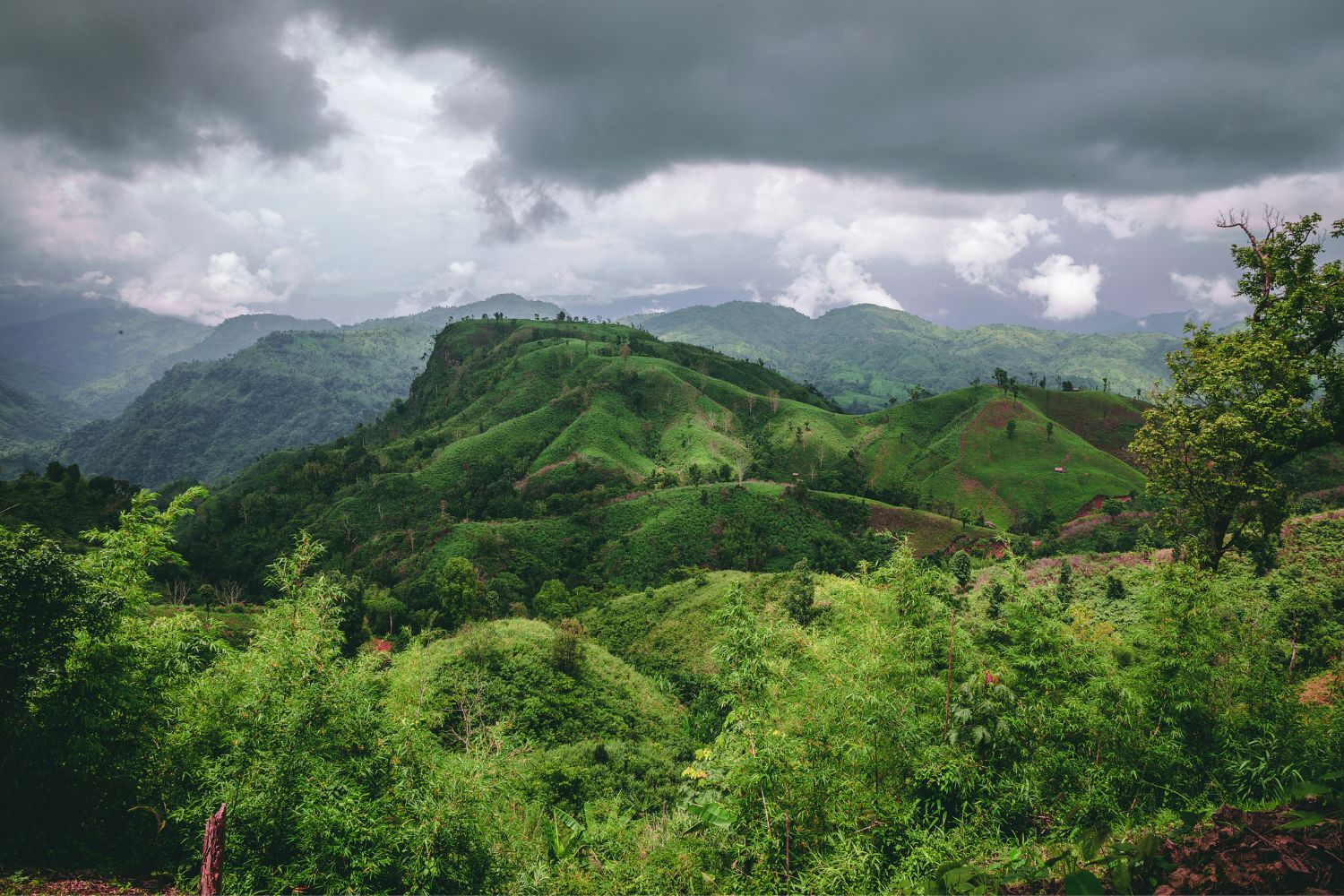
Microfinance has played a pivotal role in empowering the poor and fostering entrepreneurship. Grameen Bank, founded by Nobel Laureate Muhammad Yunus, is a prime example:
- Access to Capital: Through small loans, women and marginalized communities are able to start their own businesses, leading to economic independence.
- Social Impact: Microfinance initiatives have led to improved education, healthcare, and overall quality of life in rural areas.
2. Education and Literacy Programs
Access to education has dramatically improved in Bangladesh, contributing to social resilience:
- Government Initiatives: The government has implemented programs to increase enrollment rates, especially for girls, promoting gender equality.
- NGO Contributions: Non-governmental organizations play a vital role in providing education and vocational training to underprivileged communities.
Innovation and Technology

Bangladesh is embracing innovation and technology as tools for progress. Several areas highlight this shift:
1. ICT Sector Growth
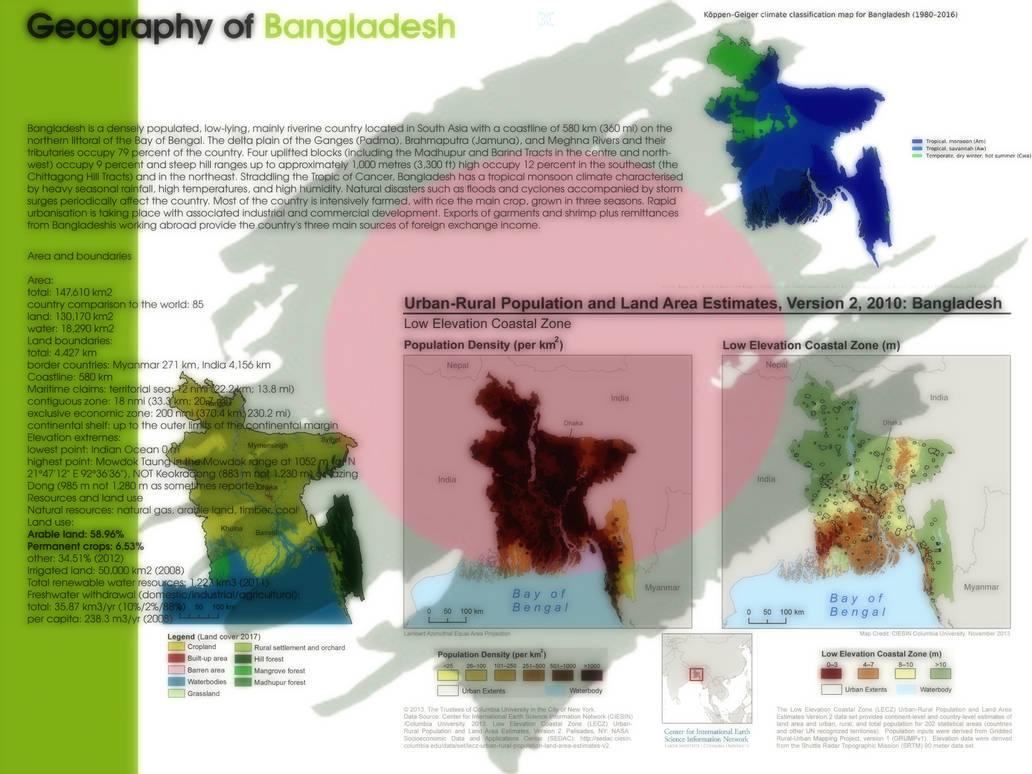
The Information and Communication Technology (ICT) sector is rapidly evolving in Bangladesh:
- Startups and Entrepreneurs: A burgeoning startup ecosystem is emerging, with young entrepreneurs developing solutions in fintech, health tech, and e-commerce.
- Digital Bangladesh Vision: The government’s vision aims to integrate digital technology into everyday life, enhancing service delivery and governance.
2. Renewable Energy Initiatives
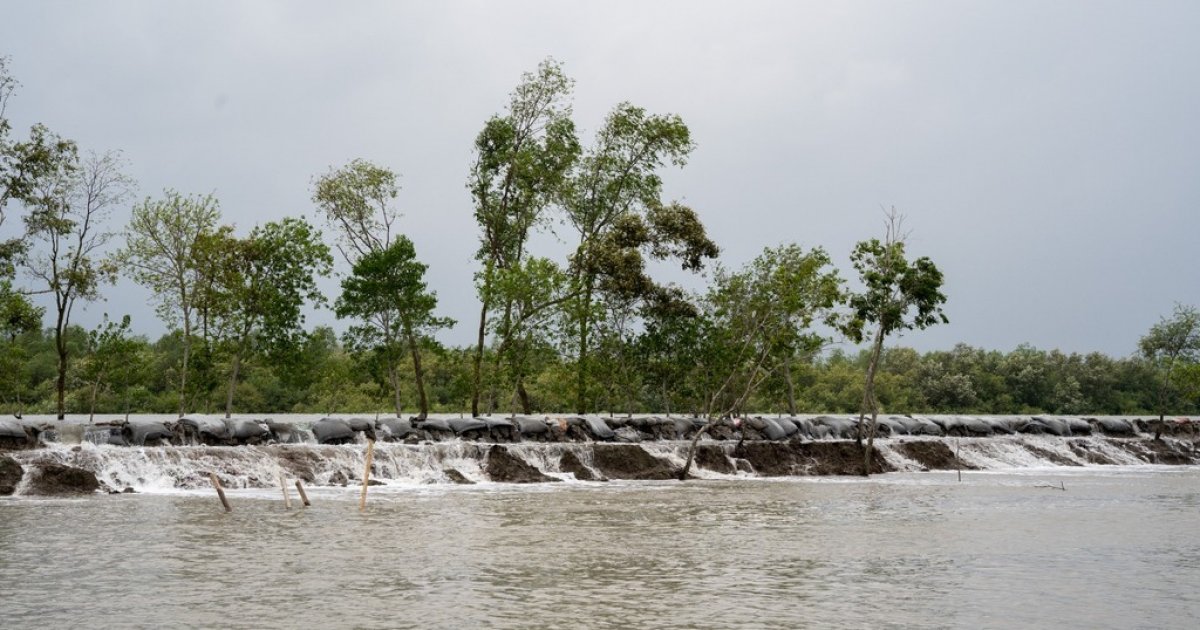
With an increasing focus on sustainability, Bangladesh is investing in renewable energy sources:
- Solar Energy: Bangladesh is one of the leading countries in solar home systems, providing electricity to rural areas.
- Wind and Biomass: The government is exploring other renewable sources to reduce reliance on fossil fuels.
Challenges Ahead

Despite the remarkable progress, Bangladesh faces several challenges that could hinder its growth and development:
- Climate Change: As a low-lying country, Bangladesh is highly susceptible to the impacts of climate change, including rising sea levels and extreme weather events.
- Political Stability: Political unrest can disrupt economic activities and deter foreign investment.
- Infrastructure Development: While improvements are being made, inadequate infrastructure remains a barrier to further growth.
A Vision for the Future
Bangladesh is a land of resilience and innovation, characterized by its ability to overcome challenges and embrace new opportunities. From its rich cultural heritage to its booming economy and technological advancements, the country is redefining its narrative on the global stage. The collective efforts of its people, driven by a spirit of determination and creativity, make Bangladesh a beacon of hope for many developing nations. As it navigates the challenges ahead, the resilience and innovative spirit of its people will undoubtedly continue to pave the way for a brighter future.
In summary, the journey of Bangladesh is a testament to the strength of the human spirit, and its story serves as an inspiration for resilience and innovation worldwide.