Bangladesh, a vibrant country located in South Asia, boasts a rich tapestry of cultural heritage that has evolved over centuries. This heritage reflects the influences of various civilizations, religions, and historical events, making Bangladesh a unique blend of traditions and modernity. From its art and music to its festivals and cuisine, the cultural heritage of Bangladesh is a treasure trove waiting to be explored. This article delves into the various facets of Bangladesh’s rich cultural heritage, highlighting its significance and impact on the country’s identity.
Historical Background
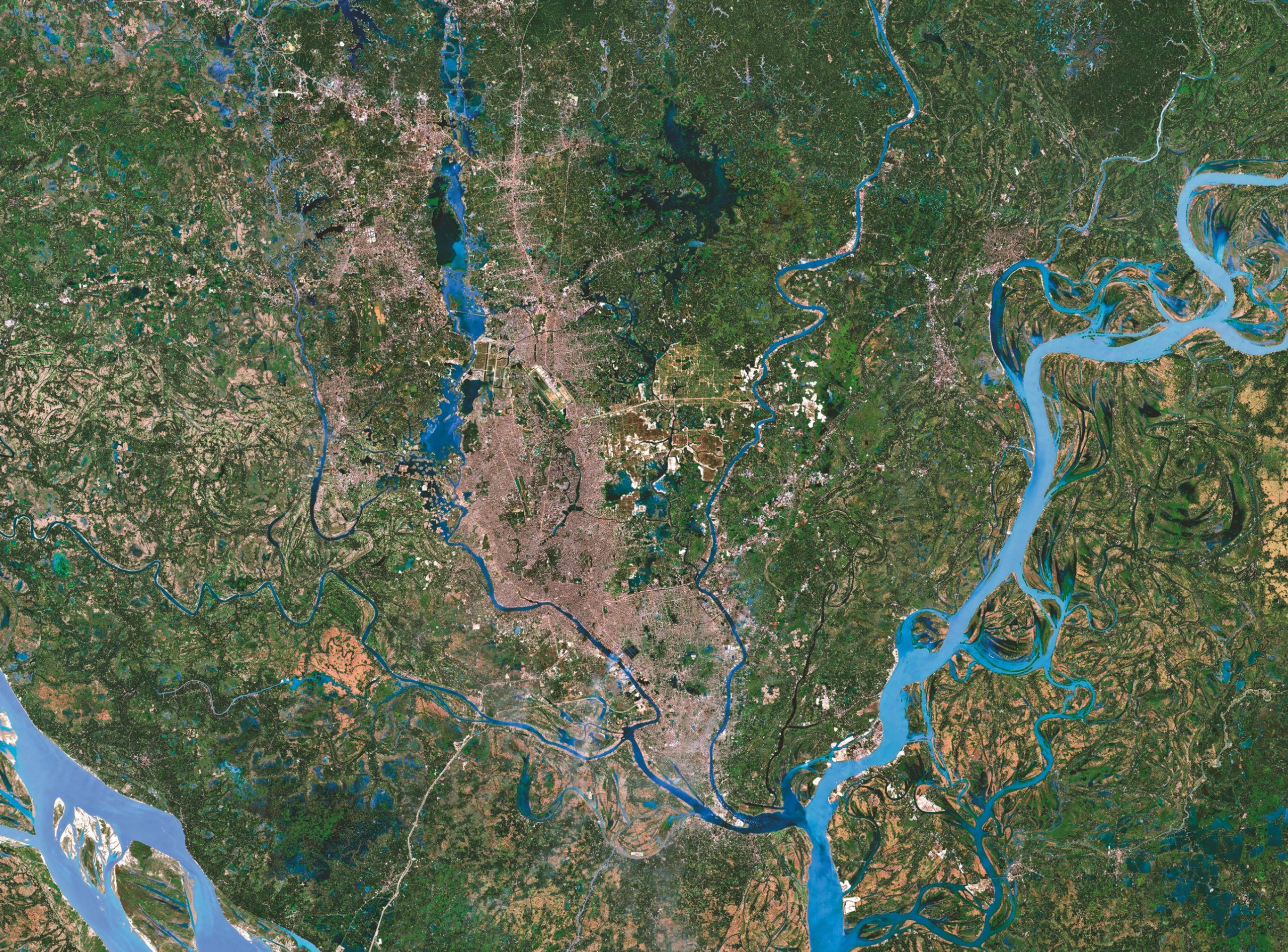
The cultural heritage of Bangladesh is deeply rooted in its history, which can be traced back thousands of years. The region has been influenced by various dynasties, including the Maurya and Gupta Empires, the Pala Empire, and later the Mughal Empire. Each of these periods contributed to the cultural and artistic landscape of Bangladesh.
- Indigenous Cultures: Before the arrival of major empires, various indigenous communities inhabited Bangladesh, each with their own unique customs and traditions.
- Mughal Influence: The Mughal Empire played a significant role in shaping the architecture and art of Bangladesh, evident in the grand structures like the Lalbagh Fort and the Ahsan Manzil.
- Colonial Period: The British colonial rule introduced new educational and cultural paradigms that blended with local traditions, leading to a renaissance in literature and arts.
Language and Literature

Language is a vital part of Bangladesh’s cultural identity. Bengali (Bangla), the official language, is spoken by the vast majority of the population and serves as a medium for expressing the nation’s rich literary heritage. The significance of the Bengali language is celebrated annually on International Mother Language Day, commemorating the martyrs of the Language Movement of 1952.
Bangladesh has produced numerous renowned poets, writers, and literary figures, including:
- Kazi Nazrul Islam: Known as the national poet of Bangladesh, his works encompass themes of rebellion and social justice.
- Rabindranath Tagore: A Nobel Laureate, Tagore’s poetry and songs have had a profound impact on Bengali culture.
- Sukanta Bhattacharya: A poet whose works reflect the struggles and aspirations of the common people.
The literary scene in Bangladesh continues to flourish, with vibrant book fairs like the Dhaka International Book Fair attracting thousands of visitors each year. This event showcases both established and emerging writers, emphasizing the importance of literature in Bangladeshi culture.
Art and Craftsmanship
Bangladesh is renowned for its traditional arts and crafts, which are not only significant for their aesthetic value but also for their cultural symbolism. The country boasts a variety of artisanal crafts, including:
- Nakshi Kantha: A traditional embroidered quilt that tells stories through its intricate designs.
- Pottery: The pottery of Bogura and Pabna is famous for its unique designs and quality.
- Jute Products: Bangladesh is the world’s largest producer of jute, and artisans create a variety of products, from bags to rugs.
Moreover, contemporary artists are gaining recognition for their innovative interpretations of traditional themes, contributing to a dynamic art scene in urban centers like Dhaka and Chittagong.
Music and Dance
Music and dance are integral parts of Bangladeshi culture, reflecting the diverse influences that have shaped the country. The musical landscape is characterized by a blend of folk, classical, and contemporary genres.
- Folk Music: Genres such as Baul and Bhatiali are deeply rooted in the rural traditions of Bangladesh and often reflect the struggles and joys of everyday life.
- Classical Music: The rich tradition of classical music, including instruments like the sitar and tabla, showcases the country’s artistic depth.
- Modern Music: Contemporary Bangladeshi music incorporates influences from various genres, including rock, pop, and hip-hop, appealing to the younger generation.
Dance forms like Manipuri, Kathak, and traditional folk dances are performed during various cultural festivals, highlighting the importance of movement as a means of storytelling and expression.
Culinary Heritage

The culinary landscape of Bangladesh is as diverse as its culture, blending flavors and ingredients that reflect the country’s agricultural bounty and historical influences. Traditional Bangladeshi cuisine is characterized by the use of spices, rice, and fish, which form the cornerstone of many dishes.
- Rice and Fish: The staple diet primarily consists of rice and fish, with dishes like Hilsa curry being a national favorite.
- Spices: Bangladeshi cuisine is known for its complex use of spices, including cumin, coriander, and turmeric, contributing to rich flavors.
- Sweets: Desserts like Mishti Doi (sweetened yogurt) and Sweets like Rasgulla and Sandesh are popular across the country.
Food plays a significant role in Bangladeshi culture, with various festivals celebrating culinary traditions, such as Eid and Pohela Boishakh (Bengali New Year).
Festivals and Celebrations

Festivals in Bangladesh are vibrant, colorful, and deeply rooted in cultural heritage. They reflect the country’s religious diversity and communal harmony.
- Eid-ul-Fitr: Celebrated by Muslims, this festival marks the end of Ramadan and is characterized by communal prayers, feasting, and charity.
- Durga Puja: A major Hindu festival celebrating the goddess Durga, featuring elaborate decorations, rituals, and cultural performances.
- Pohela Boishakh: The Bengali New Year is celebrated with fairs, traditional music, and processions, symbolizing the cultural vibrancy of the region.
These festivals not only enhance cultural identity but also foster a sense of community and belonging among the people.
Preserving Cultural Heritage
As globalization continues to influence cultures worldwide, Bangladesh faces challenges in preserving its rich heritage. However, various initiatives are in place to safeguard and promote cultural practices:
- Government Efforts: The Bangladeshi government, through the Ministry of Cultural Affairs, supports various programs aimed at preserving traditional arts and crafts.
- Non-Governmental Organizations (NGOs): Many NGOs work to promote cultural awareness and support local artisans.
- Education: Incorporating cultural education in schools helps instill a sense of pride and awareness among the younger generation.
Bangladesh’s rich cultural heritage is a testament to its historical journey and the resilience of its people. From its literature and arts to its music and culinary traditions, every aspect of Bangladeshi culture tells a story of diversity and unity. As the country navigates the complexities of modernity, it is essential to celebrate and preserve this heritage for future generations. By understanding and appreciating the cultural tapestry of Bangladesh, we can foster greater respect and admiration for the country’s unique identity and contributions to the world.