 by
Understanding the fuse box diagram of your 1996 Ford F-150 XL is crucial for maintaining and troubleshooting the vehicle’s electrical system. The fuse box serves as a protective mechanism, ensuring that the various electrical components in your truck work efficiently and without risk of damage. This guide will walk you through how to read the fuse box diagram, identify components, and safely work with the electrical system of your truck.
Understanding the Fuse Box Layout
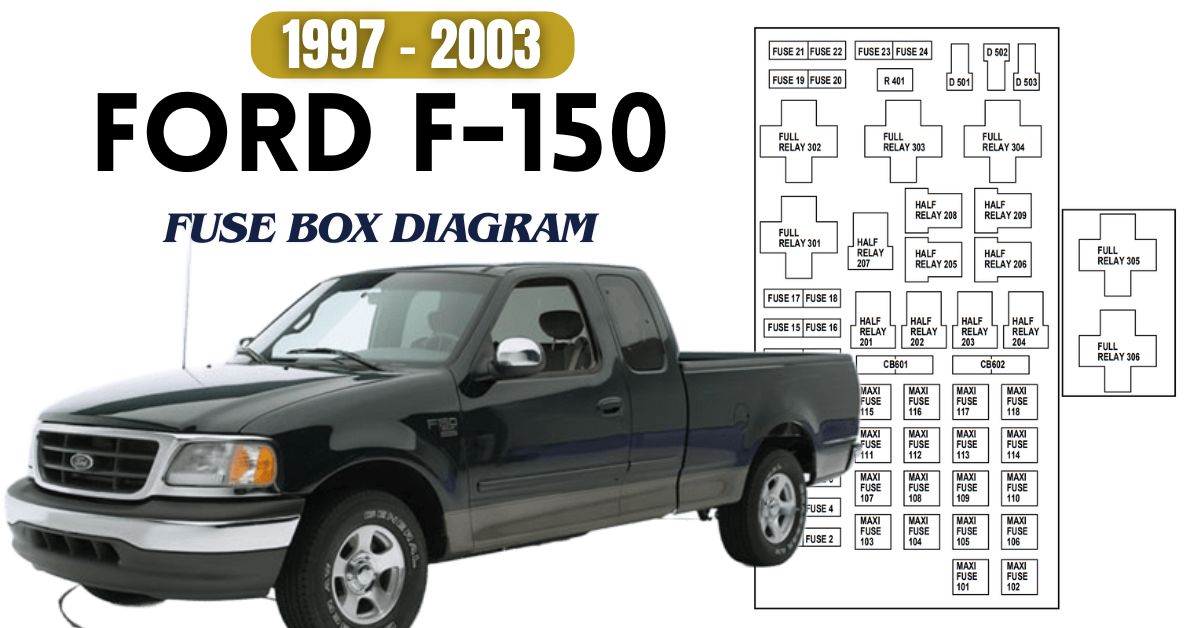
The fuse box in the 1996 Ford F-150 XL is typically located under the dashboard on the driver’s side, near the steering column. The cover of the fuse box usually contains a diagram that labels each fuse and its corresponding function. To begin, locate the fuse box cover and refer to the diagram printed on it. If it is missing or not legible, you can find a replacement online or in the vehicle’s service manual.
A standard fuse box diagram will include various fuses that protect circuits for the vehicle’s lights, radio, ignition system, and more. Fuses are usually color-coded based on their amperage, making it easier to identify them at a glance. For instance, a red fuse typically indicates a 10-amp capacity, while a blue fuse signifies a 15-amp rating. Familiarizing yourself with these color codes can save you significant time when troubleshooting.
Identifying Key Components
Each fuse in the 1996 Ford F-150 XL is responsible for a specific component or system within the vehicle. Here are some of the key components you may find in the fuse box:
- Headlight Fuse: Protects the circuit for your headlights.
- Ignition Fuse: Ensures the ignition system functions correctly.
- Radio Fuse: Powers the vehicle’s audio system.
- Power Window Fuse: Safeguards the electrical system controlling the windows.
- Brake Light Fuse: Protects the circuit for brake lights.
By understanding what each fuse controls, you can pinpoint issues more effectively. For example, if your headlights are not functioning, checking the headlight fuse should be one of the first steps in your troubleshooting process.
Steps for Safe Wiring and Installation

When working with the fuse box or any wiring in your 1996 Ford F-150 XL, it is paramount to prioritize safety. Follow these steps to ensure a safe working environment:
- Disconnect the Battery: Always start by disconnecting the vehicle’s battery to prevent any electrical shock or short circuits while working on the fuse box.
- Use the Right Tools: Make sure you have the appropriate tools for the job, including fuse pullers, screwdrivers, and multimeters.
- Consult the Diagram: Refer to the fuse box diagram to identify which fuses you need to access or replace.
- Replace Fuses Carefully: When replacing a fuse, ensure you use the correct amperage to avoid damaging the circuit. If a fuse keeps blowing, investigate the underlying issue rather than simply replacing it repeatedly.
- Check Connections: After replacing fuses or repairing wiring, recheck all connections to ensure they are secure and free of corrosion.
Troubleshooting Common Issues
Even with proper maintenance, issues may arise within your Ford F-150’s electrical system. Here are some common problems and troubleshooting tips:
- Flickering Lights: If your headlights or interior lights flicker, this could indicate a faulty fuse or a loose connection. Check the respective fuses and wiring.
- Dead Battery: A dead battery can sometimes be traced back to a short circuit in the electrical system. Inspect fuses and wiring for any signs of damage.
- Non-Functioning Accessories: If your radio or power windows do not work, check the corresponding fuses first, then investigate the wiring and switches.
It’s important to approach electrical troubleshooting methodically. Always start with the simplest solutions, such as checking fuses and connections, before moving on to more complex diagnostics.
Safety Precautions to Remember
Safety should always come first when dealing with automotive electrical systems. Here are some essential precautions:
- Always Disconnect the Battery: This cannot be stressed enough. Disconnecting the battery prevents accidental shocks and protects sensitive components.
- Use Insulated Tools: When working on electrical systems, use tools with insulated handles to reduce the risk of electric shock.
- Work in a Well-Ventilated Area: If you are working in your garage, ensure it is well-ventilated to avoid inhaling any fumes from the battery or other chemicals.
- Wear Protective Gear: Safety goggles and gloves can protect you from debris and electrical shocks while working on your vehicle.
By understanding the fuse box diagram and the functions of each component, you can enhance your ability to maintain and troubleshoot your 1996 Ford F-150 XL. Always prioritize safety and consult your vehicle’s manual or a professional if you are uncertain about any electrical work.


