by
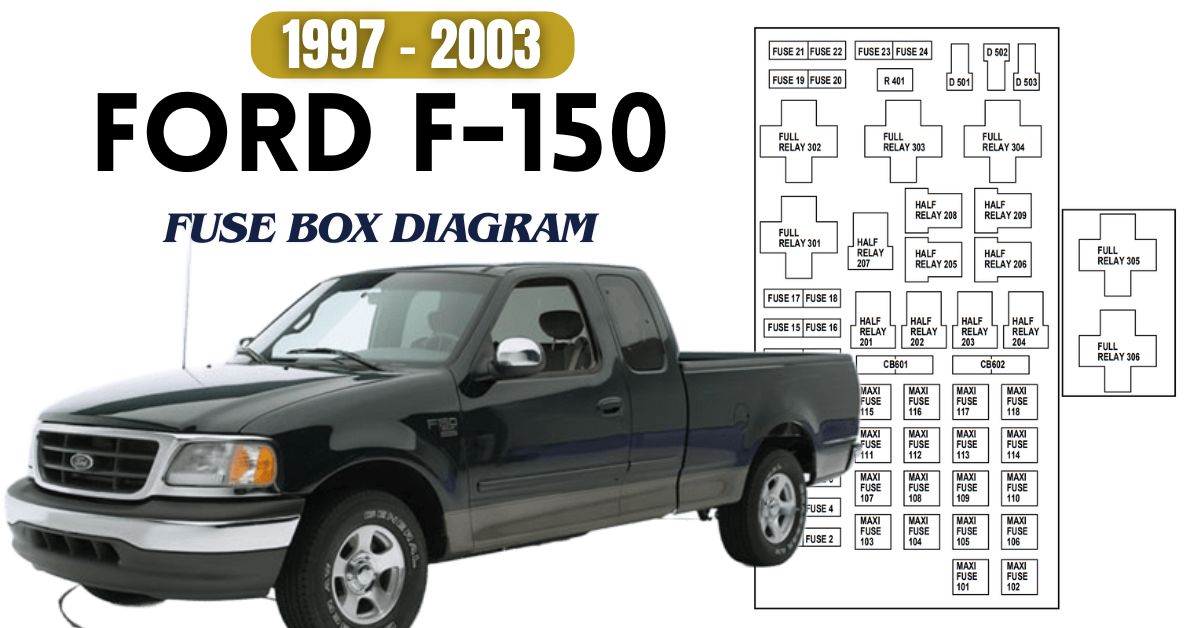
The 1996 Ford F-150 XL is a reliable truck that has been a favorite among many due to its durability and performance. Understanding the fuse box diagram is crucial for maintenance and troubleshooting electrical issues in your vehicle. The fuse box contains fuses that protect the electrical components of your truck from overload and short circuits. This article will provide an in-depth look at the 1996 Ford F-150 XL fuse box diagram, the functions of its components, detailed installation steps, common troubleshooting tips, and essential safety warnings.
Overview of the Fuse Box Diagram

The fuse box of the 1996 Ford F-150 XL is typically located under the dashboard on the driver’s side, making it accessible for routine checks and maintenance. The diagram provides a visual representation of the fuses, indicating their positions and the specific functions they serve. Each fuse is designed to protect different systems such as the lights, radio, and power windows, among others.
The fuse box is labeled, making it easier to identify which fuse corresponds to which component. Understanding this diagram allows you to quickly pinpoint any issues that may arise with the electrical systems of your truck.
Key Components of the Fuse Box

Several key components are found within the fuse box of the 1996 Ford F-150 XL. Here are the most important ones:
- Fuses: The primary purpose of the fuses is to protect the electrical circuits by breaking the connection in case of overload.
- Relay: The relay acts as an electrical switch, allowing a low power circuit to control a high power circuit.
- Fusible Links: These are special wires that act as fuses, protecting the wiring harness and electrical components from damage due to excessive current.
- Connector Terminals: These are the points where the wiring connects to the fuse box, ensuring a secure and reliable connection.
Steps for Safe Installation and Wiring
When working with the fuse box, it is crucial to follow safety protocols to prevent electrical shock or damage to your vehicle. Here are the steps for safe installation and wiring:
- Disconnect the Battery: Always disconnect the battery before working on the fuse box to ensure safety.
- Remove the Fuse Box Cover: Carefully remove the cover to expose the fuses and connectors.
- Inspect the Fuses: Check each fuse for damage or wear. Replace any blown fuses with ones of the same amperage.
- Check Connections: Ensure that all wiring connections are secure and free from corrosion.
- Reinstall the Cover: Once all checks and replacements are completed, reinstall the fuse box cover securely.
- Reconnect the Battery: Finally, reconnect the battery and test the electrical components to ensure everything is functioning properly.
Troubleshooting Common Issues
Electrical issues can arise in any vehicle, including the 1996 Ford F-150 XL. Here are some common problems along with troubleshooting tips:
- Blown Fuses: If a specific function, such as the headlights or radio, stops working, check the corresponding fuse. Replace it if necessary.
- Electrical Components Not Working: If multiple components fail, check the main fuses and fusible links for any damage.
- Corroded Connectors: Inspect the wiring and connectors for signs of corrosion, which can interfere with electrical flow. Clean or replace corroded connectors as needed.
- Intermittent Issues: If an electrical component works sporadically, it may be due to a loose connection or a faulty relay. Inspect and tighten connections and test the relay for proper function.
Safety Warnings
Working with the electrical system of your vehicle can be hazardous if proper safety precautions are not taken. Keep the following safety warnings in mind:
- Always disconnect the battery before starting any electrical work.
- Use insulated tools to reduce the risk of electrical shock.
- Avoid working on the electrical system in wet conditions.
- Never bypass a fuse; instead, replace it with one of the correct amperage.
By following these guidelines and understanding the fuse box diagram for the 1996 Ford F-150 XL, you can effectively manage electrical issues and ensure your vehicle remains in optimal condition. Regular maintenance and awareness of your vehicle’s electrical components will go a long way in preventing unexpected breakdowns and ensuring safety on the road.