by
The 1991 Chevy is a classic vehicle known for its durability and performance. However, like any car, it can encounter electrical problems that often stem from issues with the fuse panel. Understanding the layout and functionality of the fuse panel is crucial for any owner or mechanic. In this article, we will dive deep into the 1991 Chevy fuse panel, providing diagrams, installation tips, and troubleshooting advice to help you keep your vehicle in top shape.
Understanding the Fuse Panel Layout
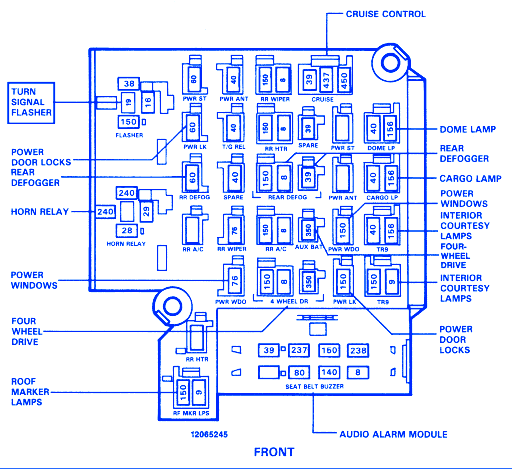
The fuse panel in your 1991 Chevy is a critical component of the electrical system. It houses various fuses that protect the electrical circuits from overload. Typically located under the dashboard or in the engine compartment, the fuse panel contains a variety of fuses for various functions including headlights, radio, and other electronic accessories. Knowing the layout of this panel is essential for effective troubleshooting.
To locate the fuse panel, refer to your vehicle’s owner manual. It usually features a diagram that shows the exact location of the fuse box and identifies each fuse’s function. The fuses are generally labeled according to the circuit they protect, making it easier to identify which one to check or replace if an electrical component fails.
Key Components of the 1991 Chevy Fuse Panel
- Fuse Types: The 1991 Chevy uses blade-type fuses that are easy to replace. Each fuse in the panel has a specific amperage rating, which is crucial to prevent circuit overloads.
- Fuse Holders: These are the slots where the fuses sit. It’s important to ensure they are clean and free of corrosion to maintain good electrical contact.
- Labeling: Most fuse panels are labeled. Familiarizing yourself with the labels can save you time when diagnosing electrical issues.
Steps for Safe Installation and Wiring
When working with the fuse panel, safety is paramount. Always disconnect the battery before starting any work to avoid electric shocks or short circuits. Follow these steps for a safe and effective installation:
- Disconnect the Battery: Always start by removing the negative terminal from your battery to prevent any accidental shorts.
- Access the Fuse Panel: Locate the fuse panel and remove any cover if necessary. Make sure the area is well-lit to see the components clearly.
- Inspect Fuses: Check each fuse for signs of damage, such as a broken filament or discoloration. If you find a blown fuse, replace it with one that has the same amperage rating.
- Clean the Fuse Holders: Use a soft brush or cloth to clean the fuse holders. Removing dirt and corrosion will help maintain good electrical contact.
- Reconnect the Battery: Once you have completed your inspection and replacements, reconnect the battery and test the electrical components.
Troubleshooting Common Electrical Issues
Sometimes, electrical problems in your 1991 Chevy can be tricky to diagnose. Here are some common issues and how to troubleshoot them:
- Headlights Not Working: If your headlights fail, check the corresponding fuse in the panel. If it’s intact, inspect the headlight bulbs and wiring for damage.
- Dashboard Lights Out: If the dashboard lights are not functioning, it could be related to the dimmer switch or a blown fuse. Check both components.
- Power Windows Malfunction: For issues with power windows, examine the fuse related to the window circuit. If the fuse is good, check the window switches and wiring.
Safety Warnings When Working with Electrical Systems
Electrical systems can be dangerous if not handled properly. Always keep these safety precautions in mind:
- Disconnect Power: Always disconnect the battery before working on electrical components.
- Use Proper Tools: Ensure you use insulated tools when working on electrical systems to prevent shocks.
- Check for Shorts: Before reconnecting the battery, double-check that there are no exposed wires or connections that could cause a short.
Resourceful Tools and Equipment
Having the right tools can make your task easier and safer. Here are some recommended tools for working on the 1991 Chevy fuse panel:
- Fuse Puller: This tool helps you safely remove and replace fuses without damaging them or the holders.
- Multimeter: A multimeter is essential for diagnosing electrical issues, helping you measure voltage, resistance, and continuity.
- Wire Strippers/Cutters: These tools are vital for any wiring work, allowing you to strip insulation or cut wires cleanly.
By understanding the layout and function of the 1991 Chevy fuse panel, along with following safe practices and troubleshooting tips, you can effectively maintain your vehicle’s electrical system. Whether you are a seasoned mechanic or a DIY enthusiast, having this knowledge will empower you to tackle electrical issues confidently.