by
by The B-2 Spirit, a stealth bomber developed by Northrop Grumman, has been a game-changer in modern warfare since its introduction in the late 20th century. This article provides a comprehensive historical overview of the B-2 Spirit missions, examining its impact on warfare, strategic bombing, and military tactics. We will delve into its design, operational history, and the implications of its use in various conflicts, highlighting its significance in shaping contemporary military strategies.
Introduction to the B-2 Spirit

The B-2 Spirit, often referred to as the “Stealth Bomber,” is a strategic bomber known for its unique flying wing design and advanced stealth capabilities. Developed during the Cold War, the aircraft was designed to penetrate dense anti-aircraft defenses and deliver both conventional and nuclear payloads. The B-2’s first flight occurred in 1989, with its entry into service in 1997, marking a significant milestone in military aviation.
Design and Development
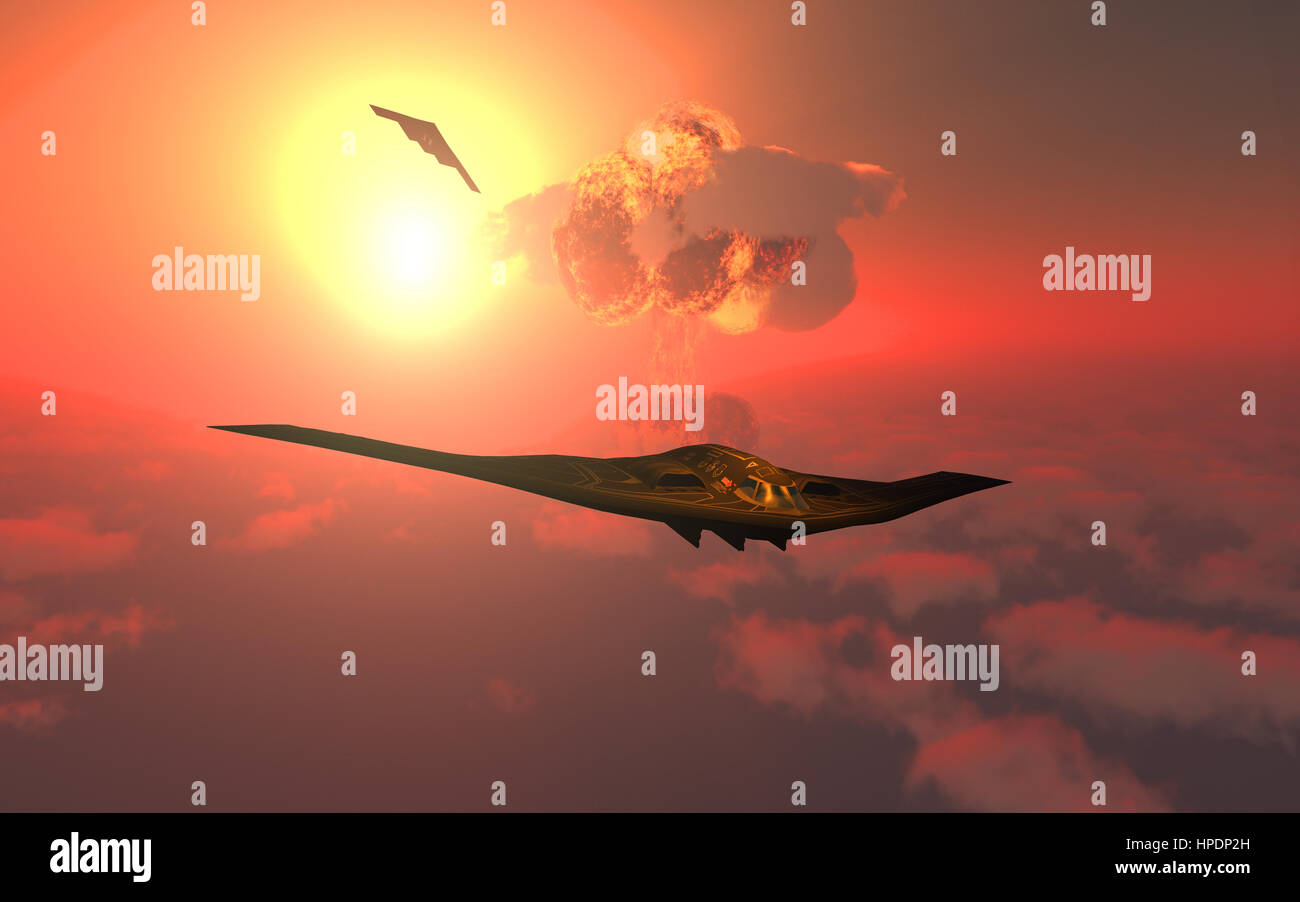
The B-2 Spirit was created in response to the changing landscape of warfare, particularly the need for a bomber that could operate undetected. Its design incorporates several innovative features:
- Stealth Technology: The B-2 employs radar-absorbent materials and a design that minimizes its radar cross-section, making it less visible to enemy radar systems.
- Advanced Avionics: The aircraft is equipped with cutting-edge navigation and targeting systems, allowing for precision strikes even in adverse weather conditions.
- Capacity: It can carry up to 40,000 pounds of ordnance, including nuclear weapons and precision-guided munitions, enhancing its versatility on the battlefield.
Operational History
The operational history of the B-2 Spirit is marked by its involvement in several key conflicts. Each mission has showcased its strategic importance and effectiveness in modern warfare.
The Kosovo War (1999)
One of the B-2’s first major combat operations occurred during the Kosovo War. The aircraft played a crucial role in the NATO bombing campaign against Serbian forces. The missions carried out by the B-2 included:
- Targeting Strategic Infrastructure: B-2s targeted key military and infrastructure sites, significantly degrading Serbian capabilities.
- Precision Strikes: The use of precision-guided munitions allowed for minimal collateral damage, demonstrating the effectiveness of modern airpower.
The success of the B-2 during this conflict solidified its reputation as a vital asset in NATO’s arsenal, showcasing its ability to conduct deep strikes against well-defended targets.
The War on Terror (2001-Present)

The B-2 Spirit has also been instrumental in the War on Terror, participating in various operations across the globe. Notable missions include:
- Operation Enduring Freedom (2001): The B-2 was among the first aircraft to strike targets in Afghanistan, delivering precision bombs to disrupt Taliban operations.
- Operation Iraqi Freedom (2003): The B-2 played a significant role in the initial invasion of Iraq, targeting military installations and leadership locations.
These operations underscored the B-2’s ability to operate in politically sensitive environments while providing the U.S. military with a strategic advantage.
Strategic Impact on Warfare
The introduction of the B-2 Spirit has had profound implications for military strategy and tactics:
- Shift to Precision Warfare: The B-2’s capabilities have paved the way for a shift from traditional bombing methods to precision warfare, emphasizing the importance of minimizing civilian casualties and collateral damage.
- Deterrence Factor: The presence of the B-2 in a conflict zone serves as a deterrent to adversaries, as its ability to deliver devastating strikes with little warning can influence enemy decision-making.
- Global Reach: With the ability to conduct long-range missions without the need for forward bases, the B-2 extends the reach of U.S. airpower, allowing for rapid responses to emerging threats.
Case Studies: B-2 Missions in Detail
To understand the B-2’s impact, we can examine specific case studies where its capabilities were prominently displayed.
Operation Allied Force (1999)

During the Kosovo War, the B-2 Spirit was employed in a series of missions that highlighted its stealth capabilities. In one significant mission, a B-2 dropped over 16 tons of ordnance on a target in Serbia. The aircraft was able to penetrate heavily defended airspace without detection, successfully striking its target and returning safely to base. This operation not only demonstrated the efficacy of stealth technology but also highlighted the B-2’s role in modern combat.
Operation Iraqi Freedom (2003)

In the early stages of the Iraq War, B-2s were deployed to conduct strategic bombing campaigns. One notable mission involved the bombing of a key military command center. The B-2’s ability to deploy precision-guided munitions allowed for the successful neutralization of this target with minimal collateral damage, showcasing the aircraft’s capabilities in a complex battlefield environment.
Statistics and Performance Metrics
The B-2 Spirit has amassed impressive statistics throughout its operational history:
- Deployment: The B-2 has been deployed in over 30 missions and has flown more than 10,000 hours in combat.
- Payload: The aircraft can carry a combination of nuclear and conventional weapons, including GPS-guided bombs and JDAMs (Joint Direct Attack Munitions).
- Stealth Performance: Its design allows the B-2 to evade detection by enemy radar, with an estimated radar cross-section smaller than that of a bird.
Challenges and Limitations

Despite its many advantages, the B-2 Spirit is not without its challenges:
- High Operational Costs: The B-2’s maintenance and operational costs are significantly higher than those of conventional bombers, posing budgetary challenges for the Air Force.
- Vulnerability to Advanced Defenses: As anti-aircraft technology evolves, the effectiveness of the B-2’s stealth capabilities may be challenged by new radar systems and missile technologies.
The B-2 Spirit has had a transformative impact on modern warfare, reshaping military strategies and enhancing the U.S. military’s operational capabilities. Its advanced design, stealth features, and precision strike capabilities have made it a formidable asset in various conflicts, from the Kosovo War to the War on Terror. As military technology continues to evolve, the B-2 remains a crucial component of U.S. airpower, reflecting the ongoing need for innovation in defense strategies. The lessons learned from its operational history will undoubtedly influence future developments in military aviation and strategy.
In summary, the B-2 Spirit not only represents a marvel of engineering but also serves as a symbol of the changing nature of warfare. Its contributions to precision bombing and strategic deterrence have established a new paradigm in military operations, making it an indispensable tool for the U.S. Armed Forces.