by
by Jessica Alba’s portrayal of Sue Storm, also known as the Invisible Woman, in the 2005 film “Fantastic Four” and its 2007 sequel “Fantastic Four: Rise of the Silver Surfer,” remains a topic of discussion among fans and critics alike. As one of the first major adaptations of Marvel’s superhero team, Alba’s performance has often been scrutinized, praised, and critiqued. This article aims to delve into her portrayal of Sue Storm, exploring the character’s significance in the comic lore, Alba’s performance, the reception of the films, and the lasting impact on fan culture.
The Significance of Sue Storm in Comic History

Sue Storm, created by writer Stan Lee and artist Jack Kirby, first appeared in “The Fantastic Four” #1 in 1961. As one of the first female superheroes in mainstream comics, she has played a pivotal role in shaping the landscape for female characters in the genre. Her powers of invisibility and force field generation have made her an essential member of the Fantastic Four, often serving as the emotional core of the team.
- Groundbreaking Representation: Sue Storm’s character challenged the traditional depictions of women in comics, providing a strong yet compassionate figure who balances personal conflict with heroic responsibilities.
- Pioneer of Female Superheroes: As a member of one of Marvel’s flagship teams, Sue Storm’s presence helped to pave the way for more dynamic and complex female characters in the superhero genre.
- Complex Relationships: Her relationships with her teammates, particularly with her brother Johnny Storm (the Human Torch) and her love interest Reed Richards (Mr. Fantastic), add layers to her character that are often explored in various iterations of the comics.
Jessica Alba’s Performance: A Closer Look
Jessica Alba’s casting as Sue Storm was met with mixed reactions. While she was already a well-known actress thanks to her roles in “Dark Angel” and “Honey,” many fans were concerned about whether she could embody the essence of Sue Storm. Alba’s performance can be analyzed through several lenses:
Portrayal of Emotion and Strength
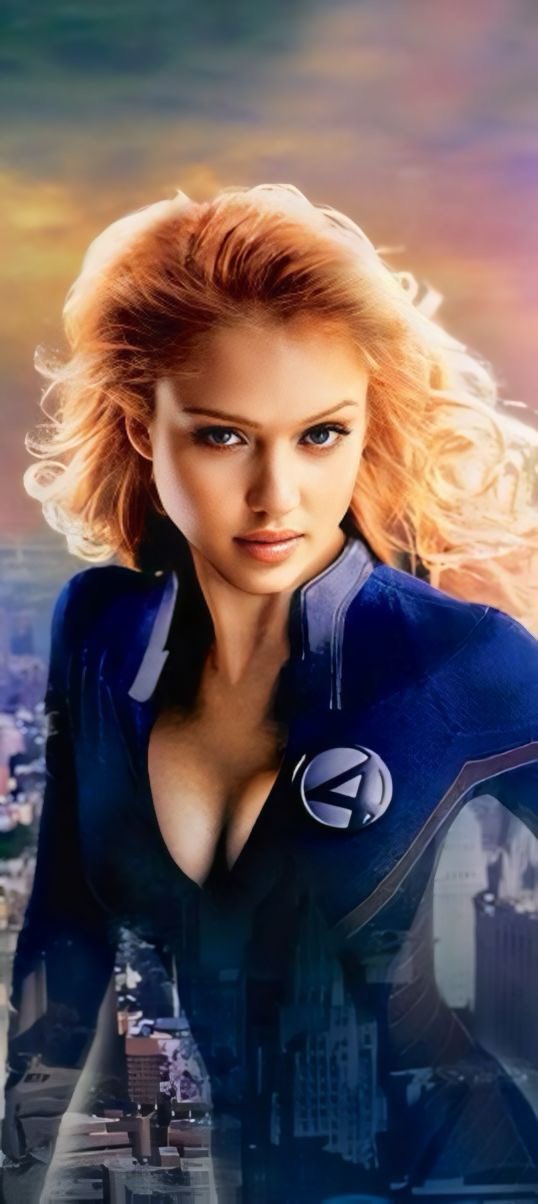
Alba’s Sue Storm is depicted as a character who grapples with her identity and powers while maintaining a strong emotional connection with her team. She showcases a balance of vulnerability and strength, which is vital for the character.
- Emotional Depth: Alba successfully conveys Sue’s internal struggles, particularly in her relationships with Reed and Johnny. Her moments of doubt and vulnerability resonate with audiences.
- Heroic Transformation: Throughout both films, Sue evolves from a supportive figure to a more assertive hero, particularly highlighted in action sequences where she harnesses her powers effectively.
Critique and Challenges
While many appreciated Alba’s performance, others felt that the portrayal lacked depth. Critics pointed out several challenges that may have hindered her performance:
- Script Limitations: The screenplays for both films often sidelined Sue Storm in favor of male characters, limiting Alba’s ability to fully explore the character’s potential.
- Directorial Choices: The direction taken by Tim Story often leaned into campy humor and action over character development, which may have diluted the complexity of Sue’s character.
The Reception of Fantastic Four

The 2005 “Fantastic Four” film received mixed reviews from critics and audiences alike. It holds a current rating of 36% on Rotten Tomatoes, indicating a lukewarm reception. The film was criticized for its tone and pacing, but it also gained a following for its campy charm and nostalgic appeal. Here are some key points regarding its reception:
- Box Office Success: Despite the mixed reviews, the film grossed over $330 million worldwide, demonstrating a strong interest in superhero films at the time.
- Character Dynamics: Viewers appreciated the chemistry between the cast, particularly between Alba and Chris Evans (Johnny Storm), which added a light-hearted dynamic to the film.
- Fan Reactions: Fans of the comics had mixed feelings about the portrayals, with many expressing a desire for a more faithful adaptation in future iterations.
Legacy and Impact on Fan Culture
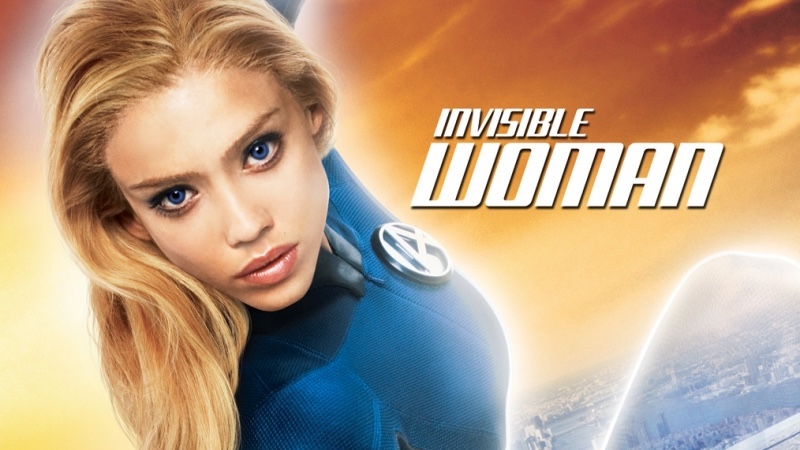
Jessica Alba’s portrayal of Sue Storm has left a lasting impact on both the character and the superhero genre. While her portrayal was not universally acclaimed, it contributed to the ongoing discourse about female representation in superhero films.
Influence on Future Adaptations

The mixed reception of Alba’s portrayal led to increased scrutiny on how female characters are depicted in superhero films. Subsequent adaptations of comic book characters have aimed to provide more depth and complexity to their female leads.
- Rise of Strong Female Leads: Following Alba’s portrayal, films like “Wonder Woman” and “Captain Marvel” have embraced strong, complex female characters, indicating a shift in the industry’s approach to representation.
- Increased Expectations: Fans now expect more nuanced portrayals of women in superhero films, which can be traced back to the early 2000s adaptations, including Alba’s role.
Fan Community and Nostalgia

Despite its flaws, the “Fantastic Four” films have cultivated a loyal fan base. Many fans appreciate the films for their nostalgic value and have revisited Alba’s performance through a lens of affection.
- Cosplay and Fan Art: Alba’s portrayal remains a popular choice for cosplay and fan art, showing the character’s enduring appeal in pop culture.
- Online Discussions: The portrayal is often revisited in online forums and social media, sparking discussions about female representation and the evolution of superhero films.
Jessica Alba’s portrayal of Sue Storm in the “Fantastic Four” films is a complex blend of nostalgia, critique, and legacy. While her performance faced challenges due to script limitations and directorial choices, it nonetheless played a significant role in shaping the conversation around female characters in superhero narratives. As the industry continues to evolve, Alba’s contribution to the character’s legacy will remain a touchstone in discussions about representation, empowerment, and the portrayal of women in the genre. Ultimately, revisiting her performance allows us to appreciate the strides made in superhero cinema and the journey that lies ahead for female characters on the big screen.