by
by Ruud Gullit, a name synonymous with Dutch football brilliance, is remembered not only for his skill and tactical awareness but also for his unique physicality that set him apart from many of his contemporaries. Standing at 6 feet 3 inches (1.91 meters), Gullit’s height played a significant role in shaping his playing style. This article explores how his physical stature influenced various aspects of his game, from his versatility on the pitch to his aerial prowess and even his leadership qualities.
The Physical Attributes of Ruud Gullit
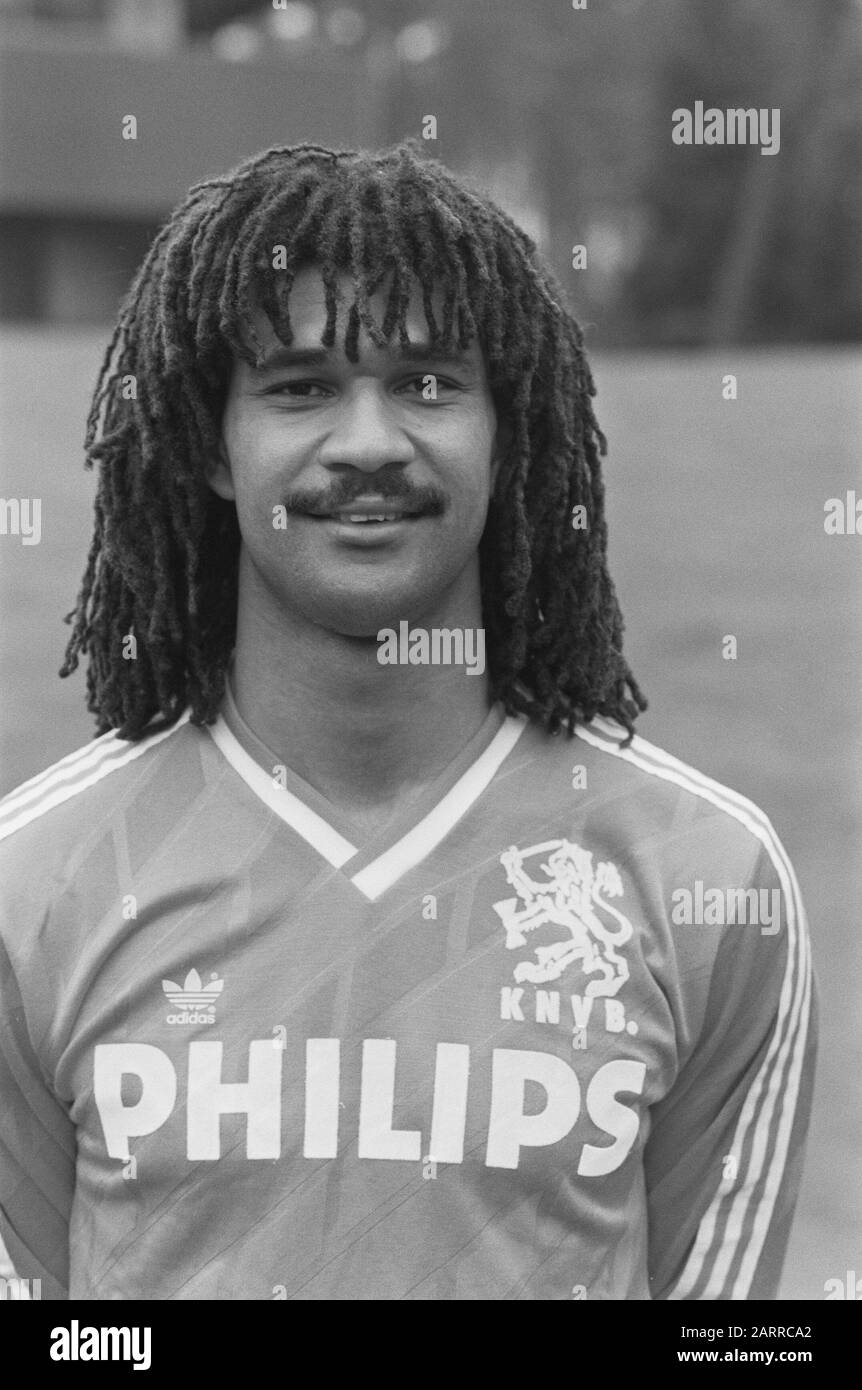
Ruud Gullit’s height provided him with several advantages on the football pitch. His long stride allowed him to cover ground quickly, and his physical presence made him a formidable opponent. Here are some key attributes influenced by his height:
- Speed and Agility: Despite his towering height, Gullit exhibited remarkable speed and agility. His long legs contributed to quick acceleration, which was crucial during counter-attacks.
- Aerial Ability: Gullit’s height made him a dominant figure in aerial duels. He scored numerous goals from headers, and his ability to win set pieces was a significant asset to his teams.
- Physical Presence: His stature allowed him to shield the ball effectively and maintain possession against smaller opponents.
Versatility: A Midfielder and Forward
One of the most striking aspects of Gullit’s career was his versatility. His height allowed him to adapt to multiple roles on the pitch, making him one of the most flexible players of his time. Gullit often played as a midfielder, forward, or even in a deeper role, contributing to both attacking and defensive phases of the game.
- Attacking Midfielder: Gullit excelled in the attacking midfielder role, using his height to navigate through defenders while also being a target for crosses.
- Striker: In some matches, he played as a striker, where his aerial prowess and finishing ability made him a goal-scoring threat.
- Box-to-Box Midfielder: His stamina and height allowed him to dominate both ends of the pitch, transitioning seamlessly between defense and attack.
Aerial Dominance and Goal Scoring
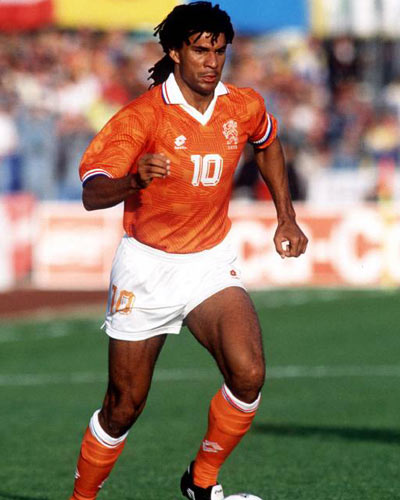
Gullit’s height played a crucial role in his goal-scoring ability. His aerial dominance was evident throughout his career, as he frequently scored from headers, both in open play and set pieces. The following statistics underline this aspect of his game:
- During his time with AC Milan, Gullit scored numerous goals from aerial situations, contributing significantly to the team’s success in Serie A and the UEFA Champions League.
- In the 1988 European Championship, Gullit scored a memorable header in the final against the Soviet Union, showcasing his ability to capitalize on aerial opportunities.
- Throughout his career, Gullit averaged approximately 0.3 goals per game, a notable statistic for a midfielder/forward.
Defensive Contributions
spelers/ruud_gullit_v2.jpg)
While Gullit was known for his attacking prowess, his height also allowed him to contribute defensively. His ability to win headers and tackle effectively made him a valuable asset in both midfield and defense.
- Winning Duels: Gullit was often able to outjump opponents in defensive situations, helping to neutralize threats from set pieces.
- Physical Tactical Play: His strength allowed him to engage in physical battles, making it difficult for opponents to bypass him.
Leadership on the Pitch
 Comparison with Other Players
When analyzing Gullit’s influence on the game, it’s useful to compare him with other players of similar stature. For example, players like Peter Crouch and Zlatan Ibrahimović also utilized their height effectively, but they had different playing styles. Crouch is known primarily for his heading ability and hold-up play, while Ibrahimović combines height with exceptional technical skills.
- Peter Crouch: At 6’7″, Crouch is known for his heading ability and physicality, similar to Gullit but lacks the same level of versatility.
- Zlatan Ibrahimović: Ibrahimović, also tall at 6’5″, has a more flamboyant style, using his height to perform acrobatic strikes and dribble, showcasing the versatility that Gullit also possessed.
Ruud Gullit’s height was not just a physical characteristic; it was a defining factor that influenced his playing style and overall contributions to football. From his versatility on the pitch to his aerial dominance, Gullit’s stature allowed him to excel in multiple roles, making him one of the most complete footballers of his generation. His leadership qualities, coupled with his physical presence, set him apart and left a lasting legacy in the world of football.
In summary, Ruud Gullit’s 6’3″ frame provided him with significant advantages that shaped his playing style and allowed him to thrive in various roles on the pitch. His ability to dominate in the air, contribute defensively, and lead with authority made him an exceptional talent, and his legacy continues to inspire future generations of footballers.