by
by Russian Blue cats are known for their striking blue-gray coats, vibrant green eyes, and affectionate personalities. As a responsible pet owner, it’s crucial to ensure that your Russian Blue remains healthy and happy throughout its life. This article will explore essential health tips that can help maintain your Russian Blue cat’s well-being, covering nutrition, exercise, grooming, and regular veterinary care.
Understanding the Russian Blue Breed
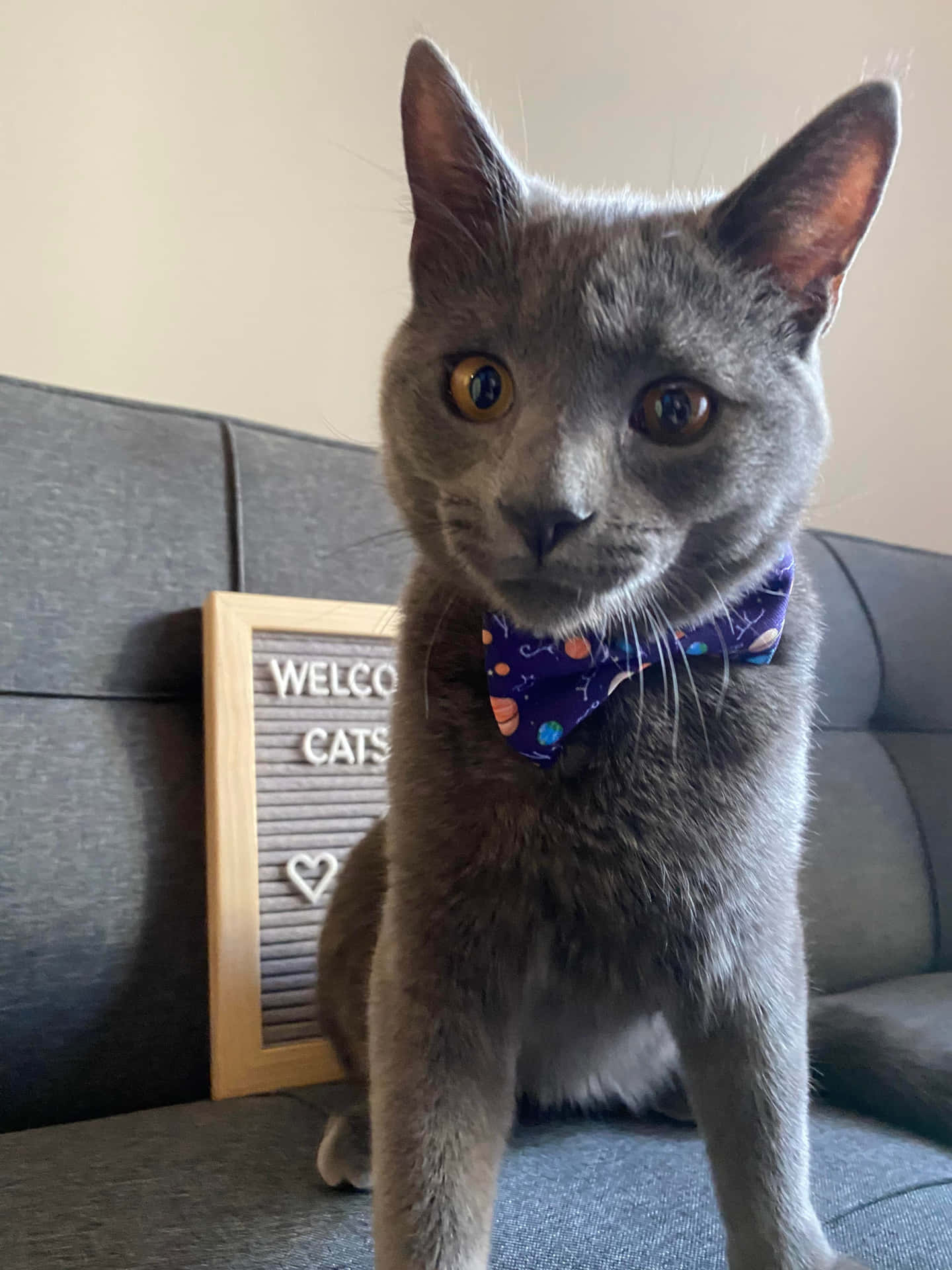
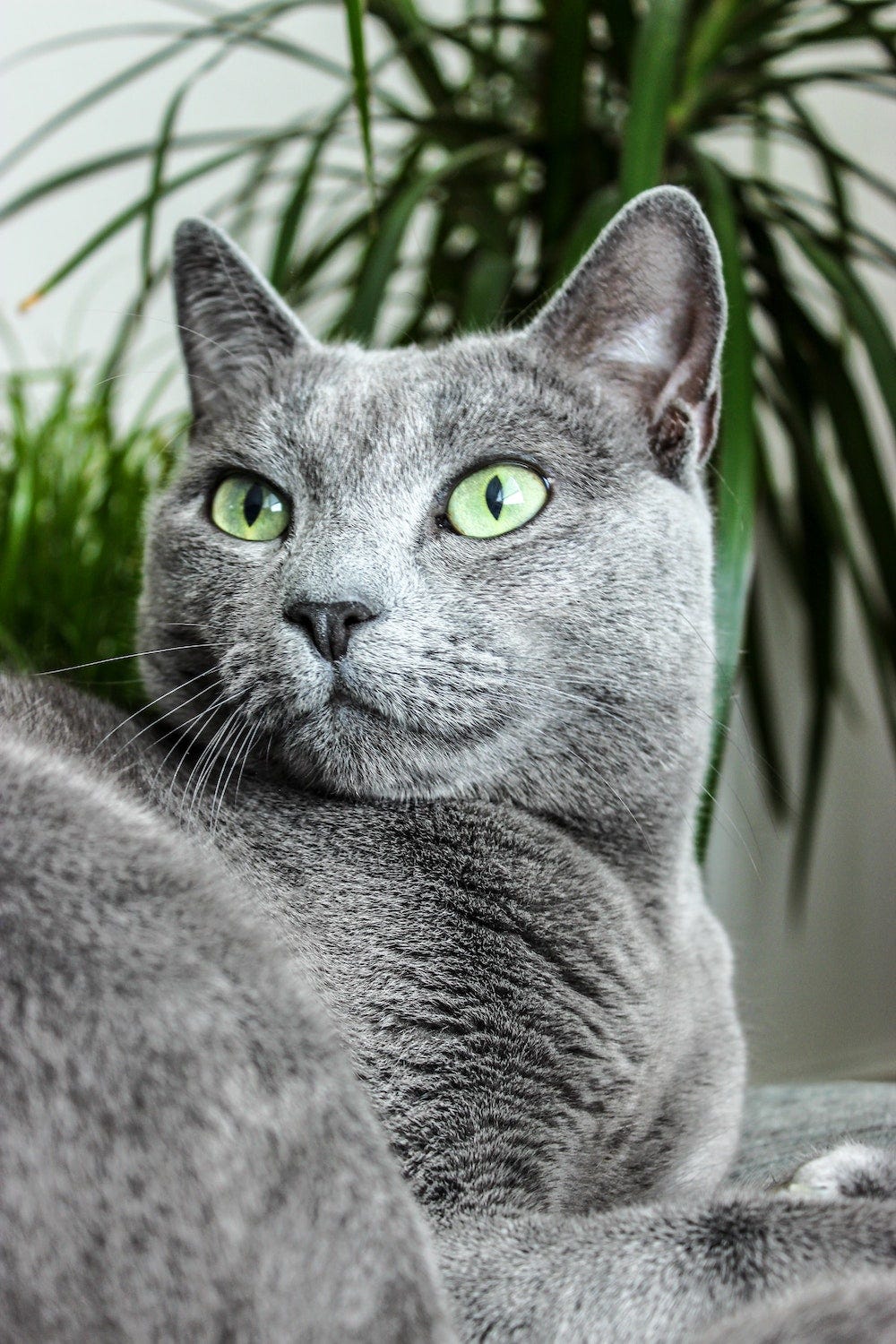
Before diving into health tips, it’s important to understand the unique characteristics of the Russian Blue breed. These cats are not only beautiful but also intelligent and gentle. They are known for their loyalty and can form strong bonds with their owners. However, like all breeds, they can be prone to specific health issues, making proactive care essential.
Common Health Issues
While Russian Blues are generally healthy, they can be predisposed to certain conditions:
- Obesity: Due to their calm demeanor, Russian Blues can become overweight if their diet and exercise are not properly managed.
- Dental Issues: Like many cats, they can develop periodontal disease if their dental hygiene is neglected.
- Urinary Tract Issues: These cats may be prone to urinary tract infections or crystals, especially if they are not adequately hydrated.
- Hypertrophic Cardiomyopathy (HCM): This heart condition can affect Russian Blues, making regular veterinary check-ups essential for early detection.
Nutrition: The Foundation of Health

Diet plays a critical role in your Russian Blue’s overall health. Providing a balanced diet tailored to their specific needs is essential for maintaining their weight and energy levels.
Choosing the Right Food
:strip_icc()/cute-russian-blue-cat-sitting-on-the-bed--female-cat--498731394-5c2a695746e0fb00015354ac.jpg)
When choosing cat food, consider the following:
- High-Quality Protein: Russian Blues are muscular and active, requiring high-quality protein sources such as chicken, fish, or turkey.
- Balanced Nutrition: Look for foods that contain a mix of protein, fats, carbohydrates, vitamins, and minerals. Check for AAFCO (Association of American Feed Control Officials) certification on the label.
- Wet vs. Dry Food: Incorporate both wet and dry food into their diet to promote hydration and dental health. Wet food can help prevent urinary tract issues.
Feeding Guidelines
To maintain a healthy weight, follow these feeding guidelines:
- Portion Control: Measure your cat’s food according to the recommended serving size on the packaging, adjusting as necessary based on their activity level.
- Scheduled Feeding: Establish a consistent feeding schedule to help regulate their appetite and prevent overeating.
- Limit Treats: Treats should only make up 10% of your cat’s daily caloric intake to avoid obesity.
Exercise: Keeping Your Russian Blue Active
Regular physical activity is crucial for your Russian Blue’s physical and mental health. Given their playful nature, finding ways to engage them in exercise is essential.
Interactive Playtime

Engaging your cat in interactive play can help burn off excess energy:
- Feather Wands: These stimulate your cat’s hunting instincts and encourage them to jump and run.
- Laser Pointers: Cats love chasing the elusive red dot, but be sure to end the play session with a tangible toy they can “catch.”
- Catnip Toys: These can provide both physical and mental stimulation, making playtime more exciting.
Environmental Enrichment
Enhance your cat’s living environment to encourage activity:
- Cat Trees and Scratching Posts: Provide vertical spaces for climbing and scratching, which are natural behaviors.
- Window Perches: Allow your cat to observe the outside world, stimulating their curiosity and encouraging movement.
- Hide-and-Seek: Create a scavenger hunt by hiding treats around the house to encourage exploration.
Grooming: Maintaining a Healthy Coat
Russian Blues have a double-layered coat that requires regular grooming to maintain its health and beauty. Grooming not only keeps their coat in excellent condition but also promotes bonding between you and your cat.
Brushing Your Russian Blue
Regular brushing is vital for the following reasons:
- Reducing Shedding: Brushing helps remove loose fur, minimizing shedding and the formation of hairballs.
- Skin Health: It promotes blood circulation and helps distribute natural oils, keeping the skin healthy.
- Bonding Time: Grooming can be a relaxing and enjoyable experience for both you and your cat, reinforcing your bond.
Dental Care
Oral health is crucial for your cat’s overall well-being. Regular dental care can prevent serious health issues:
- Brushing Teeth: Use a cat-specific toothbrush and toothpaste to brush your cat’s teeth several times a week.
- Dental Treats: Consider dental treats designed to reduce plaque and tartar buildup.
- Regular Check-Ups: Include dental checks during veterinary visits, as professional cleanings may be necessary.
Regular Veterinary Care
Routine veterinary visits are essential for monitoring your Russian Blue’s health and catching potential issues early.
Vaccinations and Preventive Care
Ensure your cat is up-to-date on vaccinations to protect against common feline diseases. Regular preventive care includes:
- Annual Check-Ups: Schedule yearly examinations to assess your cat’s overall health.
- Parasite Prevention: Use veterinarian-recommended flea and tick prevention methods, and discuss deworming options.
- Spaying/Neutering: Consider spaying or neutering your cat to prevent unwanted litters and reduce health risks.
Monitoring Health at Home
As a pet owner, you can play a significant role in monitoring your cat’s health:
- Behavior Changes: Be observant of any changes in your cat’s behavior, appetite, or litter box habits, as these can indicate health issues.
- Weight Management: Regularly weigh your cat to ensure they maintain a healthy weight.
- Hydration: Ensure your cat has access to fresh water at all times, and consider a water fountain to encourage drinking.
Maintaining the well-being of your Russian Blue cat requires a combination of proper nutrition, regular exercise, grooming, and routine veterinary care. By understanding their unique needs and proactively managing their health, you can ensure that your feline companion enjoys a long, happy, and healthy life. Remember to provide a balanced diet, engage in interactive play, maintain their coat, and schedule regular veterinary visits. With these tips, you can foster a loving environment that promotes your Russian Blue’s overall well-being and happiness.