by
by In our interconnected world, time zones play a crucial role in coordinating activities, businesses, and daily life across different regions. The concept of time zones, introduced in the late 19th century, is vital for ensuring that we can effectively communicate and collaborate across distances. This article will delve into the significance of time zones, with a special focus on Bangladesh Time (BST), its implications for various sectors, and how it affects the daily lives of Bangladeshi citizens.
Understanding Time Zones
Time zones are regions of the Earth that have the same standard time. They are based on the position of the Earth relative to the sun, with the globe divided into 24 time zones, each generally spanning 15 degrees of longitude. The concept is essential for several reasons:
- Facilitates international communication and commerce.
- Helps in scheduling events and meetings across different regions.
- Enhances travel efficiency and coordination.
Without time zones, coordinating activities across countries would be chaotic. Imagine trying to set a meeting with colleagues in New York, London, and Sydney without a standardized time reference!
Bangladesh Time (BST): An Overview
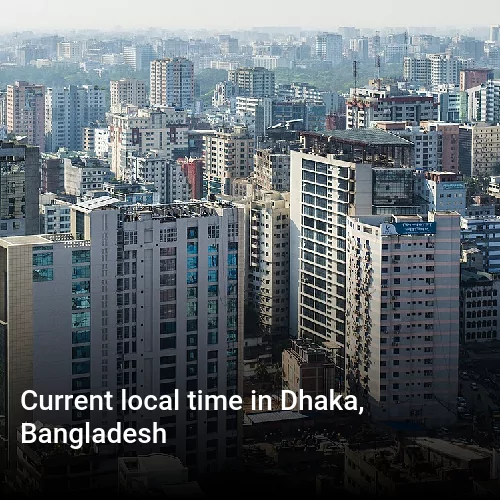
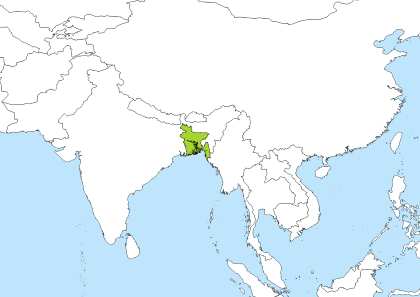
Bangladesh operates on Bangladesh Time (BST), which is UTC+6 hours. This means that Bangladesh is six hours ahead of Coordinated Universal Time (UTC). The country does not observe Daylight Saving Time, making its time zone consistent throughout the year.
BST is particularly significant for several reasons:
- It aligns the working day with daylight hours, improving productivity.
- It facilitates international business with neighboring countries like India and Myanmar, which have similar time zones.
- It supports cultural activities and religious practices, such as prayer times in Islam.
The Role of Time Zones in Business
In today’s global economy, businesses often operate across multiple time zones. This can create challenges but also opportunities. For Bangladesh, which has a growing economy, understanding its time zone is vital for various sectors:
1. International Trade
Bangladesh has emerged as a significant player in the global textile and garment industry. The time zone plays a pivotal role in international trade:
- Aligns Bangladesh’s working hours with major markets such as Europe and the USA, allowing for timely communication and order processing.
- Facilitates real-time collaboration with international partners.
2. IT and Outsourcing Industry

The IT sector in Bangladesh has seen exponential growth, with many companies providing services to clients in different time zones. The advantages include:
- Offshore collaboration with companies in the USA, where the time difference allows for a “follow-the-sun” model of working.
- Increased productivity as teams can hand off tasks at the end of their working day to teams in other time zones.
Impact on Daily Life

The time zone affects the daily routines of Bangladeshi citizens in various ways. From work schedules to cultural practices, the implications are profound:
1. Work-Life Balance
Understanding and adhering to time zones can help in achieving a better work-life balance. For instance:
- Regular office hours typically run from 9 AM to 5 PM, which aligns with daylight hours, allowing for a more natural rhythm in daily life.
- Knowing the time difference with other countries can help individuals manage their personal and professional commitments effectively.
2. Cultural Practices and Religious Observances
In a predominantly Muslim country like Bangladesh, prayer times are crucial. BST plays a significant role in scheduling these observances:
- Fajr (pre-dawn prayer) occurs before sunrise, which is easier when time aligns with daylight.
- Adjusting to sunset times is more manageable when the entire country observes the same time zone.
Challenges of Time Zones

Despite the advantages, time zones also present challenges, particularly for Bangladesh:
1. Coordination with Global Partners
While being in the UTC+6 zone has its benefits, it can also lead to difficulties in coordinating with countries in vastly different time zones:
- Time differences can complicate meetings and deadlines, especially with partners in the USA (UTC-4 to UTC-5) or Australia (UTC+10 to UTC+11).
- Adjusting schedules to accommodate different time zones can lead to confusion and miscommunication.
2. Limited Flexibility

As Bangladesh does not observe Daylight Saving Time, there is limited flexibility in scheduling:
- There are no options for adjusting the clock to align better with seasonal changes in daylight.
- This can affect productivity and energy consumption during certain times of the year.
Case Studies: Time Zone Management
To illustrate the importance of time zones, let’s look at successful companies in Bangladesh that have effectively managed their time zone challenges:
1. Grameenphone
Grameenphone, a leading telecommunications provider, has successfully navigated time zone challenges through:
- Implementing staggered work hours to accommodate international clients.
- Utilizing technology for real-time communication to bridge time gaps with global partners.
2. Beximco Pharmaceuticals
Beximco, one of the largest pharmaceutical companies in Bangladesh, has made significant strides in international markets by:
- Establishing teams that work in shifts to ensure round-the-clock availability for clients in different time zones.
- Leveraging BST to manage production schedules that align with international market demands.
Time zones, particularly Bangladesh Time (BST), are crucial for the functioning of modern society. They facilitate international business, enhance daily life, and play a significant role in cultural practices. However, the challenges they present necessitate effective management strategies to ensure smooth coordination across different regions. Understanding and adapting to time zones can improve productivity, enhance communication, and ultimately lead to better outcomes for individuals and businesses alike in Bangladesh.
As the world continues to shrink through technology and globalization, the relevance of time zones will only grow. For countries like Bangladesh, embracing this reality will be key to thriving in an increasingly interconnected global landscape.